Ex-PlayStation Boss: If Mario Hits PS5, It’s the Apocalypse
▼ Summary
– The traditional model of strict console exclusives for major titles is shifting, with Microsoft now releasing games on PS5 and Sony bringing its games to PC.
– Nintendo is a notable exception, maintaining a firm commitment to keeping its games exclusive to its own hardware.
– Former PlayStation executive Shawn Layden believes strong platform exclusives retain significant value for a brand’s identity and appeal.
– Layden argues that iconic characters like Mario or Nathan Drake appearing on rival platforms would fundamentally damage their brand’s platform identity.
– He also contends that exclusives are beneficial as they drive developers to fully utilize and push the technical limits of their host platform.
The landscape of video game exclusivity is shifting dramatically, with major publishers increasingly releasing titles across multiple platforms. Microsoft now brings its biggest franchises to PlayStation 5, while Sony ensures its flagship games eventually reach PC audiences. This cross-platform strategy represents a significant departure from the traditional console wars, where exclusive titles were the primary weapons for driving hardware sales. Despite this industry-wide trend, one major player continues to hold a different philosophy, and a former industry leader believes their approach remains crucial for brand identity and platform strength.
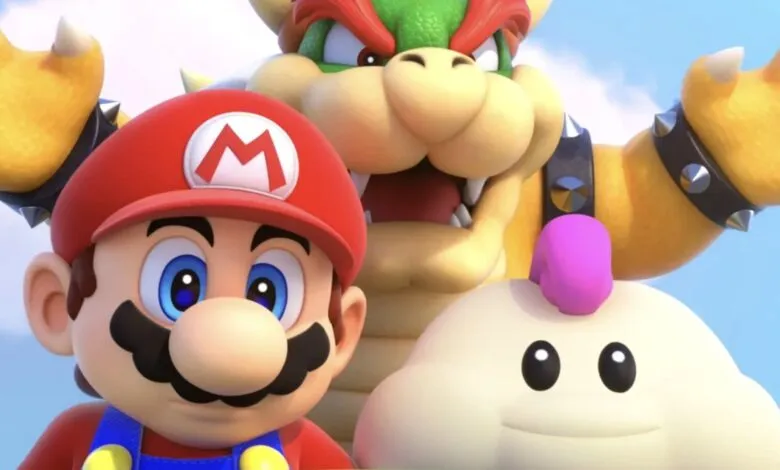
Nintendo stands apart by maintaining a strict policy of keeping its iconic franchises exclusively on its own hardware. Former PlayStation executive Shawn Layden recently discussed this strategy, arguing that powerful exclusives retain immense value. He suggests that while not every game needs to be locked to a single console, platform-defining titles are essential. “If Mario starts to show up on PlayStation, that’s the apocalypse,” Layden remarked, emphasizing the cultural and commercial importance of these characters to their native ecosystems. He applied the same logic to Sony’s own pillars, noting that figures like Nathan Drake from Uncharted fundamentally define the PlayStation experience and “make the platform sing.”
Layden further elaborated on the technical benefits of developing for a single set of hardware specifications. Exclusive games allow developers to fully optimize their projects, pushing the host console to its absolute limits. This deep, focused optimization can lead to superior performance, more innovative use of the platform’s unique features, and ultimately, a more polished product that showcases what the hardware can truly achieve. When a development team targets only one system, they can extract every ounce of power and creativity, resulting in titles that often become benchmarks for graphical fidelity and gameplay innovation.
This creates a compelling cycle for platform holders. A must-play exclusive drives consumers to purchase the specific console, and the success of that hardware encourages developers to create even more ambitious software for it. For companies like Nintendo, characters such as Mario, Link, and Samus Aran are not just game protagonists; they are synonymous with the brand itself. Their presence elsewhere would dilute a carefully cultivated identity that has resonated with fans for decades. The emotional connection players have with these exclusive worlds is a powerful business asset.
The debate over exclusivity is complex, balancing consumer accessibility against competitive branding. While the financial appeal of multiplatform releases is undeniable, Layden’s perspective highlights an enduring truth: iconic exclusives serve as the heart and soul of a gaming platform. They provide a unique selling proposition that generic hardware specifications cannot match. In a market where consoles increasingly resemble each other in capability, these exclusive experiences become the primary differentiator, fostering loyal communities and defining generations of play. The potential arrival of a Mario game on a rival system would indeed signal a fundamental upheaval in the industry’s foundational principles.
(Source: Nintendo Life)