De-Extinction Firm Creates Artificial Egg, No Chicken Needed
▼ Summary
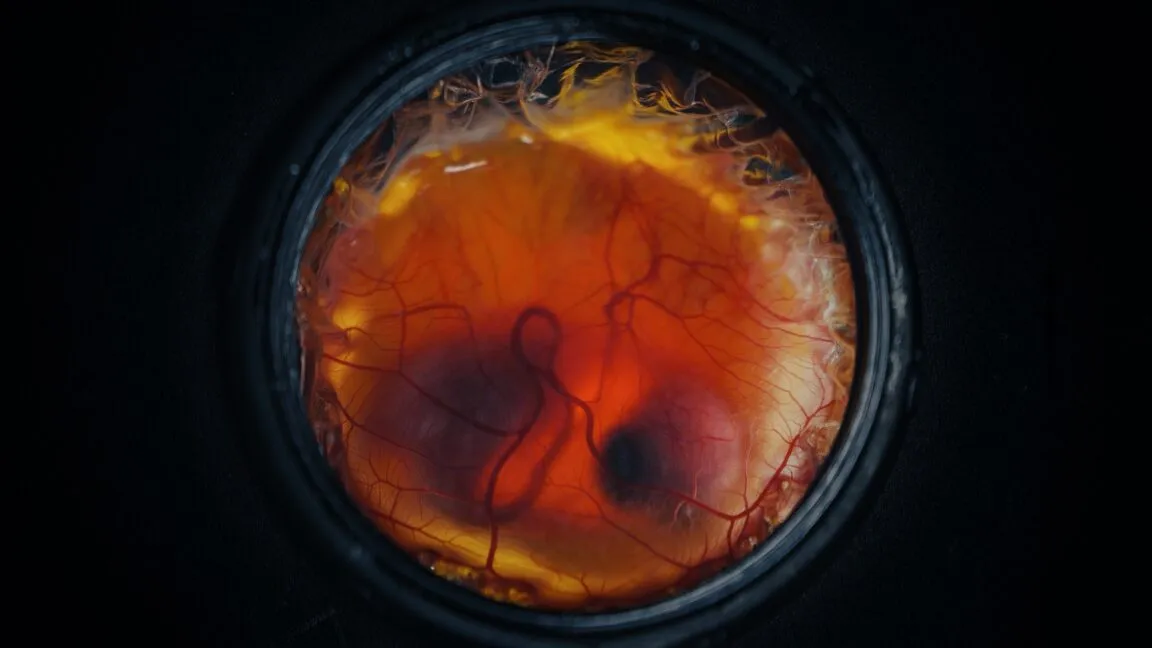
– Colossal announced a new development toward reversing species extinction: an artificial eggshell that allows development to occur without a natural shell.
– The company transferred egg contents to its container within two days of laying, and normal chicks hatched and walked away.
– The technology may solve a research problem involving the ability to observe and manipulate vertebrate development outside the egg.
– Chicken embryos develop similarly to mammals but outside the mother, allowing easier experimental manipulation through the shell.
– Colossal still faces key hurdles before its technology can be used for its intended de-extinction goals.
On Tuesday, biotech startup Colossal unveiled a major breakthrough on its path to reversing species extinction, this time focusing on birds. The innovation is essentially an artificial eggshell,a container that enables nearly the entire developmental process to take place without a natural shell. Within a day or two of laying, the company transferred egg contents into this specially designed vessel, and healthy chicks eventually emerged and walked away normally.
Beyond its obvious relevance to Colossal’s de-extinction mission, this development resonates with me personally because it may solve a challenge I encountered during my own research days. Let me first explain the scientific problem Colossal appears to have cracked, then return to what the company hopes to achieve with this technology,and why significant obstacles still remain.
Observing development up close
Earlier in my career, I studied vertebrate development using chicken embryos. Though chickens are less closely related to humans than mice are, the fundamental processes of early development are remarkably similar. And unlike mice, chicken embryos develop outside the mother’s body. With careful technique, you can chip a small hole in the shell, perform precise manipulations on the growing embryo, then seal the opening with tape. The embryo continues developing normally, allowing you to observe the effects of your intervention on natural growth.
(Source: Ars Technica)