ULA’s Vulcan rocket costs surge in Pentagon contract data
▼ Summary
– SpaceX won five of seven US Space Force launch contracts this year, while United Launch Alliance secured the remaining two missions.
– These military and National Reconnaissance Office satellite launches are scheduled to occur at least two years from now.
– Only SpaceX and ULA currently have Space Force-certified rockets, with ULA’s Vulcan recently completing its first national security mission.
– Blue Origin’s New Glenn rocket is on the Space Force roster but requires additional successful flights before receiving military certification.
– The Space Force had previously announced SpaceX would receive most launch contracts over coming years, with flexibility to reassign missions if providers encounter issues.
Each year, the US Space Force organizes a Mission Assignment Board to distribute contracts for launching the country’s most vital national security satellites. In the latest round of awards announced Friday, SpaceX emerged as the dominant winner, securing five out of seven available missions. United Launch Alliance (ULA), a joint venture of Boeing and Lockheed Martin, was awarded the remaining two launches. These missions, conducted for the Space Force and the National Reconnaissance Office, are not expected to lift off for at least another two years.
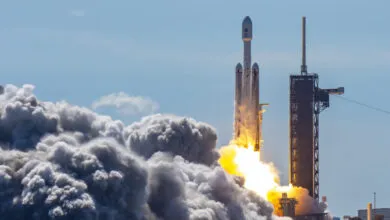
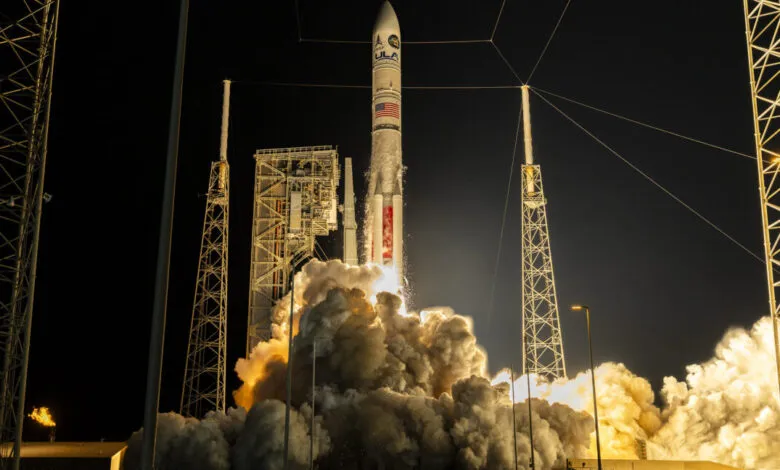
SpaceX and ULA currently stand as the only two providers whose rockets are certified by the Space Force for launching the Pentagon’s most important satellites. ULA’s Vulcan rocket, which replaces the Atlas V, made its debut almost two years ago and successfully completed its inaugural national security mission in August. Meanwhile, SpaceX continues to rely on its proven Falcon 9 and Falcon Heavy rockets, both of which have established extensive records of reliable performance.
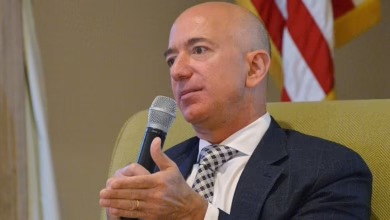
Blue Origin, the space venture founded by Jeff Bezos, has also been included in the Space Force’s roster of potential launch providers with its New Glenn rocket. However, the vehicle must complete at least one more successful flight before it can receive military certification for the exclusive National Security Space Launch (NSSL) missions.
Col. Eric Zarybnisky, program executive officer for Assured Access to Space, emphasized the strategic importance of these launches. “Space is the ultimate high ground, critical for our national security. With this year’s NSSL Phase 3 Lane 2 mission assignments, we continue to assure access to that high ground,” he stated.
The military’s decision to assign the majority of this year’s missions to SpaceX was widely anticipated. Back in April, the Space Force had already indicated that SpaceX would receive the largest share of launch contracts over the coming years, with ULA taking the second-most and Blue Origin positioned as a third potential provider. Officials noted then that they retain the flexibility to reallocate missions among the three companies should any encounter technical or scheduling issues.
(Source: Ars Technica)