Texas measles outbreak analysis reveals virus’s deadly risks
▼ Summary
– Anti-vaccine Health Secretary Robert F. Kennedy Jr. and his followers have downplayed measles as “just a rash” and falsely claimed outbreaks are fabricated.
– The US declared measles eliminated in 2000 due to high vaccination rates, but cases have recently resurged as vaccination rates have declined.
– A new study in the Morbidity and Mortality Weekly Report analyzed last year’s multi-state measles outbreak that started in West Texas.
– The outbreak data shows measles is far from harmless, with about 20 percent of people, mostly younger children, being hospitalized.
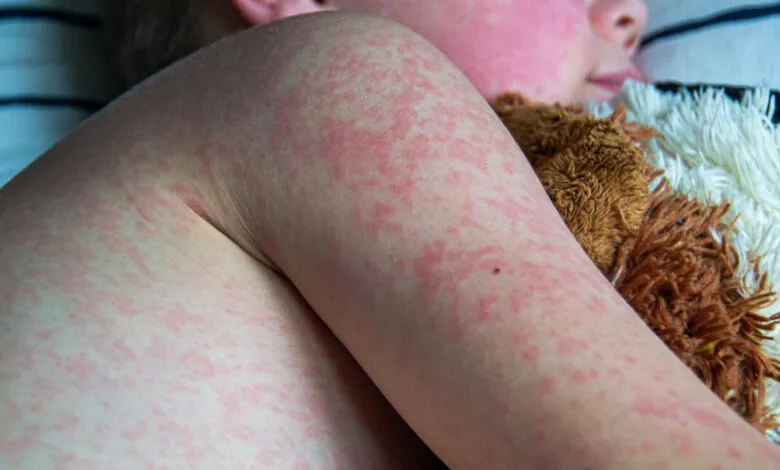
For years, anti-vaccine Health Secretary Robert F. Kennedy Jr. and his ardent supporters have trivialized measles, branding it as “just a rash” and baselessly alleging that “Measles outbreaks have been fabricated to create fear.” When Kennedy penned those words in 2021, the U.S. recorded only 49 measles cases. Since 2000, annual case counts had generally remained low, a direct result of the nation declaring measles eliminated thanks to decades of successful vaccination campaigns. However, the rise of Kennedy and like-minded figures over recent decades has begun to unravel that public health achievement. Vaccination rates have declined, and large, multi-state outbreaks of vaccine-preventable diseases have surged back. Now, the devastating reality of how misguided Kennedy and his allies are about infectious diseases and vaccines is becoming painfully clear once more.
A new study published yesterday in the Morbidity and Mortality Weekly Report delivers a stark postmortem of last year’s massive multi-state measles outbreak that erupted from West Texas. State and federal researchers analyzed the data, and the findings paint a grim picture far removed from the “just a rash” narrative. The virus proved to be exceptionally dangerous, with approximately 20 percent of those infected,predominantly younger children,requiring hospitalization. This analysis underscores the severe risks measles poses, especially in communities with waning immunization coverage, and serves as a powerful rebuttal to the misinformation that has fueled this resurgence.
(Source: Ars Technica)