US Rocket Power Rankings: Major Shifts at the Top and Bottom

▼ Summary
– Ars Technica’s annual power ranking evaluates US rocket companies based on their 2025 accomplishments, using metrics like launches and tonnage to orbit.
– SpaceX maintained its first-place ranking in 2025, having launched 165 rockets and delivered over 1 million tons of cargo to orbit.
– The company’s Falcon 9 rockets, mostly reused boosters, were crucial for NASA’s International Space Station resupply and crew rotations.
– SpaceX experienced setbacks with its Starship vehicle, as the first three launches of the year failed due to upper stage issues.
– The final two Starship flights in 2025 were more successful, but development faced a new hurdle with a catastrophic failure during testing of the Block 3 Super Heavy booster.
Determining which American rocket companies made the most significant strides in 2025 requires a close look at their actual achievements. This annual assessment ranks the top ten US launch providers based on their performance over the past year, considering factors like launch cadence, payload delivery, and mission success. The goal is to foster a deeper understanding of the immense challenges these organizations face in a field that demands both technical brilliance and financial resilience.
SpaceX retains its position at the very top of the list. The company’s dominance in the launch sector remains unchallenged. By the first week of December, SpaceX had executed an astounding 165 launches in 2025, with the reliable Falcon 9 workhorse performing the vast majority of these missions. This incredible tempo has enabled the company to deliver a monumental mass of cargo exceeding one million tons to orbit. Furthermore, SpaceX continues to be NASA’s indispensable partner for International Space Station operations, reliably transporting crews and critical supplies.
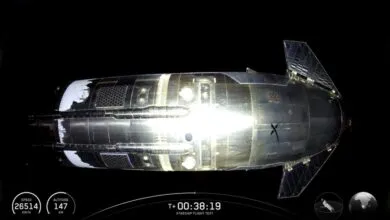
The year presented more mixed results for the larger Starship program. The first three test flights of the massive vehicle, occurring in January, March, and May, all ended with failures of the Starship upper stage. Progress was evident later in the year, however, as the August and October launches proved substantially more successful. These flights paved the way for the planned transition to the Block 3 iteration of the vehicle. This advancement hit a temporary setback when the first Block 3 Super Heavy booster experienced a catastrophic failure during routine pressure testing.
(Source: Ars Technica)