NASA Investigates New Rocket Fuel Explosions

▼ Summary
– For over 60 years, rockets primarily used propellants like kerosene, hydrazine, hydrogen, and solid fuels for their specific handling, efficiency, and storage benefits.
– Major companies like SpaceX and Blue Origin now develop powerful methane-fueled engines (Raptor and BE-4), which power next-generation rockets such as Starship, New Glenn, and Vulcan.
– Methane engines offer advantages like producing less sooty residue for reusability and being easier to handle than extremely cold liquid hydrogen, as methane’s storage temperature is closer to that of liquid oxygen.
– Following a Chinese rocket’s milestone in 2023, multiple US companies including Rocket Lab, Stoke Space, and Relativity Space are also developing methane-fueled launch vehicles.
– US space agencies are studying the unique hazards of methane rocket explosions to ensure safety as launch frequency increases and pads are built closer together.
For decades, the world’s most powerful rockets relied on a familiar set of propellants: refined kerosene, hydrazine, liquid hydrogen, and solid fuels. Each offered distinct benefits, from easy handling to high efficiency, forming the backbone of space exploration. Today, a significant shift is underway as major aerospace companies are pivoting toward methane as the fuel of the future, driven by its advantages for reusable launch systems. This transition, however, brings new questions for safety officials who must understand the unique risks these new rockets present.
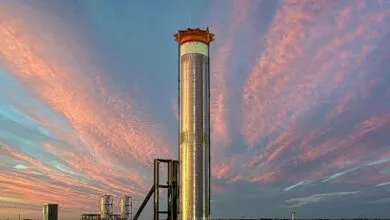
The move toward methane, often called “methalox” when paired with liquid oxygen, gained serious momentum about fifteen years ago. SpaceX’s Raptor and Blue Origin’s BE-4 engines now lead this charge, each producing over half a million pounds of thrust. These engines power next-generation vehicles like the Starship, New Glenn, and Vulcan rockets. The appeal of methane is clear for companies focused on reusability. It burns cleaner than kerosene, leaving less damaging soot inside engines that must fire repeatedly. It is also far more practical than liquid hydrogen, which requires extremely complex and leak-prone storage systems at temperatures hundreds of degrees colder.
While a Chinese vehicle was the first methane-fueled rocket to reach orbit in 2023, development is accelerating across the United States. Firms like Rocket Lab, Stoke Space, and Relativity Space are all engineering their own methalox engines for upcoming launch vehicles. As these systems move from development to routine operation, with some companies envisioning multiple daily launches from pads situated just miles apart, a critical need has emerged. Safety agencies must comprehensively model the hazards of a potential methalox rocket explosion.
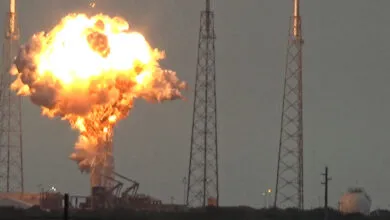
The U. S. Space Force and NASA, responsible for range safety at federal spaceports, are now investigating how the dangers from a failing methalox vehicle might differ from those of traditional rockets. The blast effects, debris fields, and fire hazards could present novel challenges. “We just don’t have the analysis on those to be able to say, ‘Hey, from a testing perspective, how small can we reduce the BDA and be safe?'” noted Col. Brian Chatman, commander of the Eastern Range in Florida, highlighting the data gap. BDA, or blast danger area, defines the safety perimeter required around a launch pad.
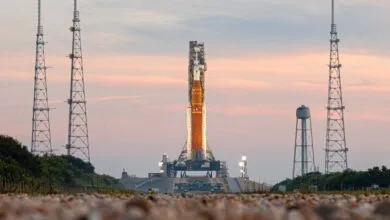
This research is becoming urgently relevant as new launch infrastructure proliferates. Launch pads for methalox rockets are now active or under construction at major U. S. sites, including Kennedy Space Center, Cape Canaveral Space Force Station, Vandenberg Space Force Base, and NASA’s Wallops Flight Facility. SpaceX currently conducts its Starship test campaign from private property in South Texas, where the Federal Aviation Administration oversees public safety. The collective goal is to ensure that the exciting pace of innovation in rocket propulsion is matched by an equally rigorous understanding of operational safety for the communities and personnel involved.
(Source: Ars Technica)