Space Force Considers Vulcan Rocket Without Boosters
▼ Summary
– The U.S. Space Force is considering flying the Vulcan rocket without its solid boosters, which are under investigation, to allow some missions to proceed.
– Vulcan launches have been halted since a February anomaly on a solid rocket booster, though the investigation has no set timeline for completion.
– This grounding has forced the Space Force to reassign missions to SpaceX, creating a reliance on a single provider for national security launches.
– The disruption is impacting Pentagon launch procurement, likely influencing the next contract phase to reduce reliance on single vehicles.
– The certification of a third provider, Blue Origin’s New Glenn, faces uncertainty after a recent setback, complicating efforts to diversify launch options.
The U.S. Space Force is actively exploring a potential workaround to resume launches of the Vulcan Centaur rocket while an investigation into its solid rocket boosters continues. This strategy involves adjusting the launch manifest to prioritize missions that do not require the suspect boosters, aiming to restore a crucial second launch provider for national security payloads.
Lieutenant General Philip Garrant, who leads Space Systems Command, confirmed the approach. He stated the service is examining how to alter its schedule to eliminate the need for the boosters, which are supplied by Northrop Grumman. The Vulcan rocket has been grounded since a performance anomaly occurred on one of its solid rocket motors during a February launch. Although that mission successfully delivered its payload, the Space Force mandated a stand-down for a joint investigation with United Launch Alliance.
This grounding has significant operational consequences, forcing the reassignment of some missions to SpaceX. The situation has temporarily collapsed the Pentagon’s planned two-provider launch model, creating a reliance on a single company for critical access to space. Garrant emphasized the service’s commitment to finding a path forward, noting that if a mission does not require the solid boosters, there is no inherent reason Vulcan cannot launch.
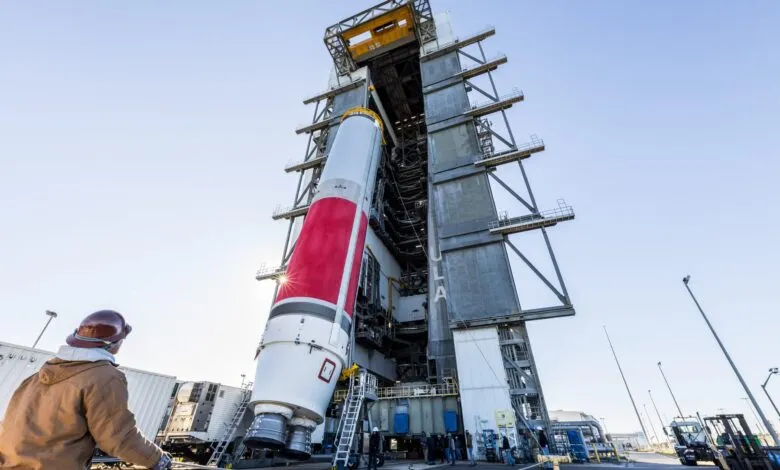
The rocket’s design offers some flexibility for this contingency plan. It can be configured with zero, two, four, or six boosters depending on the required performance. Lower-energy missions, such as deploying batches of satellites for the Space Development Agency into low Earth orbit, are potential candidates for flying in a “zero-booster” configuration. However, missions requiring more thrust, like direct insertions to geosynchronous orbit or those with heavier payloads, would likely face delays or need reassignment under this proposed manifest shuffle.
While evaluating this near-term fix, the Space Force continues to work with ULA and Northrop Grumman to diagnose the booster anomaly’s root cause. Garrant expressed confidence in ULA’s investigation and noted upcoming test activities are part of the process to return the full vehicle to flight. The broader impact of this disruption is expected to influence future procurement strategy. Garrant indicated the Phase 4 National Security Space Launch contract competition will be shaped by the challenges experienced with Vulcan, as officials seek to mitigate the risk of a single vehicle’s issues cascading across the launch schedule.
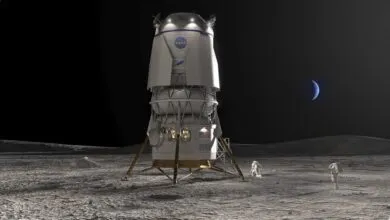
A key part of building a more resilient architecture involves certifying a third launch provider. Blue Origin is working toward that goal with its New Glenn rocket, but a recent setback during its third flight test introduces new uncertainty into that timeline. This complication underscores the current constraint in launch supply and the strategic importance of returning Vulcan to service, even in a limited capacity, to restore assured access to space for national security needs.
(Source: SpaceNews)