Google Launches Chromebook Successor: The Googlebook
▼ Summary
– Google announced a new laptop line called Googlebooks, launching in fall, designed to succeed Chromebooks with a new OS based on Android and ChromeOS.
– The operating system, codenamed Aluminium OS, is not the final name; Google will reveal the official branding later this year.
– Googlebooks run on Android technology, support Chrome and Android apps, access Android phone files directly, and feature built-in Gemini Intelligence.
– A Magic Pointer feature provides contextual suggestions when shaking and pointing the cursor, and AI-created widgets are included.
– Google is partnering with Acer, Asus, Dell, HP, and Lenovo for initial models; hardware details like specs, pricing, and design are not yet revealed.
Google is making a bold move in the laptop market with the announcement of a new device lineup called Googlebooks, set to launch this fall. The reveal came as part of a broader set of Android updates during Google’s Android Show, but details remain scarce. What is clear is that this represents a significant shift for the company, positioning Googlebooks as a potential successor to Chromebooks by running on a long-rumored hybrid operating system that merges Android and ChromeOS.
That operating system, which has been referred to in leaks as Aluminium OS, is not yet officially named. Peter Du from Google’s global communications team confirmed to The Verge that “Aluminium” is merely a codename, not the final branding. He added, “We’ll have more to share on the exact OS branding later this year.”
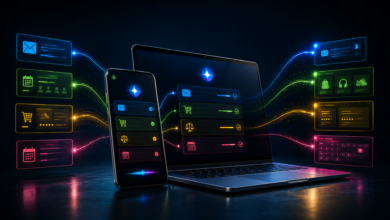
So, what do we actually know about Googlebooks and their operating system? For starters, they are built on the Android technology stack. They will run Chrome for web browsing, support Android apps, and even allow direct access to files from your Android phone. You’ll be able to run apps directly from your phone without shifting your attention between devices. Gemini Intelligence will be deeply integrated into the experience, even affecting how the cursor behaves.
One standout feature is Magic Pointer, which provides contextual suggestions when you shake your cursor and point it at something on the screen. Google demonstrated this by showing how you could set up a meeting by pointing at a date in an email, or select images of furniture and a living space to visualize them together. Beyond the cursor, Googlebooks will also feature custom AI-created widgets, a capability Google is also introducing for Android phones and Wear OS smartwatches. While the potential for creative (or chaotic) widgets is wide open, Google offered examples like organizing flights, hotels, and restaurant reservations, or creating a countdown timer for a family reunion.
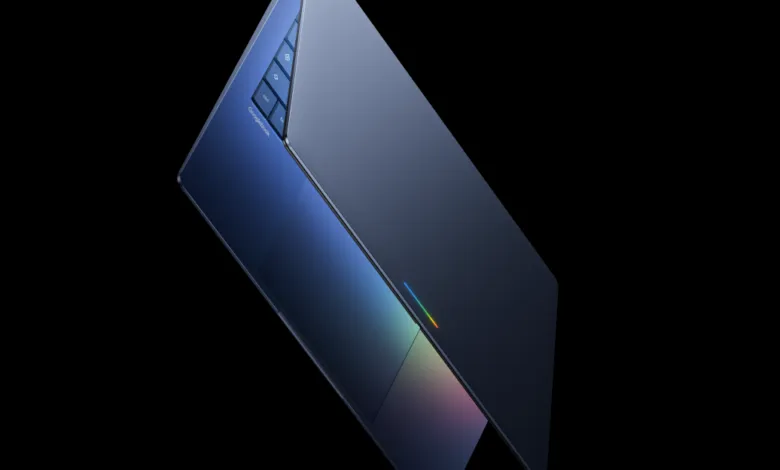
Still, many fundamental questions remain unanswered. What will Googlebooks look like? What chips will power them? And what will they cost? So far, Google has only shared initial renders of a mysterious Googlebook and confirmed partnerships with Acer, Asus, Dell, HP, and Lenovo to produce the first models. There are no model names, no specs, and no pricing details. Even the laptop shown in the renders is ambiguous , it could be a partner device, a tease of a first-party Pixel-like Googlebook, or just a concept. The one distinct hardware feature is a bar of glowing Google-colored light, which will be a signature design element across all Googlebooks.
While the prospect of new hardware and a new operating system is exciting, the announcement also raises questions. The Googlebook OS looks strikingly similar to ChromeOS, which naturally leads to speculation that Googlebooks are simply the next generation of Chromebooks. So what does that mean for the millions of Chromebooks already in use?
When asked directly, Google’s Peter Du told The Verge, “Yes, there will be Chromebooks releasing after the launch of Googlebook,” and assured that “all Chromebooks will continue to receive support through their device’s existing date commitment.” That commitment includes 10 years of automatic security updates for Chromebooks released in 2021 or later. Still, it’s unclear how Google’s focus on Chromebooks and ChromeOS will evolve once Googlebooks enter the market.
For now, we’ll have to wait for a proper product launch or the inevitable leaks that tend to surface before Google’s official announcements.
(Source: The Verge)