First look at Googlebook: Premium Chromebook rival for Android users
▼ Summary
– Googlebook is a new laptop lineup merging Android and ChromeOS into a unified operating system, launching this fall.
– The new OS aims to bridge phone-to-laptop integration, including a Cast My Apps feature for seamless Android app use on the laptop.
– Googlebook is a response to Apple’s $599 MacBook Neo, which raised consumer expectations for budget laptops with iPhone integration.
– Chromebooks are not being discontinued; Google is committed to software updates for them until at least 2034.
– Googlebook will feature a unified “Glow bar” LED design across devices from Acer, Asus, HP, Dell, and Lenovo, with more details expected at Google I/O on May 19.
Google has officially introduced a new laptop category called Googlebook, a premium alternative to Chromebooks that merges ChromeOS and Android into one unified operating system. Set to launch this fall, the device aims to deliver a seamless experience between smartphones and laptops, positioning itself as a direct competitor to Apple’s MacBook lineup.
The announcement marks a significant shift for Google. While Chromebooks have long offered basic Android app integration, the new OS promises deeper connectivity, bringing MacBook-like features to the Googlebook ecosystem. More details are expected at Google’s I/O developer conference on May 19, where the company will likely showcase the full scope of this unified platform.
Timing is critical for Googlebook’s entry. Apple’s $599 MacBook Neo, released earlier this year, reshaped consumer expectations for affordable laptops, forcing rivals to rethink their strategies. Google’s response appears to be a higher-quality device powered by a single operating system that spans Android phones and laptops, enhanced by its new AI engine, Gemini Intelligence.
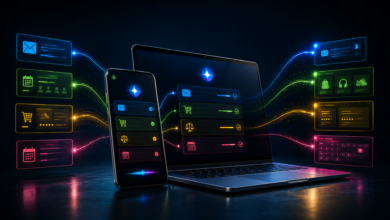
Seamless Android integration could be Googlebook’s strongest asset. The MacBook Neo’s appeal partly stemmed from its tight iPhone connectivity, offering features like Messaging, FaceTime, and Phone Mirroring. Googlebook counters with Cast My Apps, a feature that lets users run phone apps directly on the laptop without downloading them. This native Android app support will roll out in phases, beginning with the latest Samsung Galaxy and Google Pixel phones this summer.
Additional AI-driven tools include Create My Widget, which generates desktop widgets from natural language prompts. A demo showed a user creating a scrollable family vacation itinerary widget, powered by Gemini Intelligence. Google is also improving cross-platform sharing with Quick Share, which will soon be compatible with Apple’s AirDrop, starting on Pixel phones and expanding to Samsung, OPPO, OnePlus, Vivo, Xiaomi, and Honor devices later this year.
Chromebooks are not disappearing, Google insists. “Chromebooks are not dead,” said Alexander Kuscher, senior director of tablets and laptops at Google, during a virtual press briefing. The company remains committed to supporting software updates for Chromebooks until at least 2034, acknowledging the millions of devices already in use across schools, businesses, and homes. Abandoning them would risk a situation reminiscent of the Windows 11 migration chaos, something Google aims to avoid.
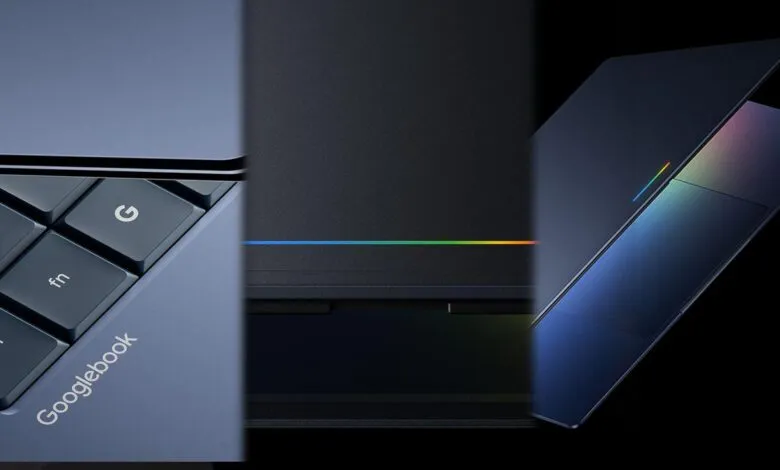
While specific product specs remain unannounced, Google confirmed that premium devices from Acer, Asus, HP, Dell, and Lenovo are in development. A distinctive design element, the Glow bar,a rainbow-hued LED strip on the back of every Googlebook,will serve as a unified visual signature. Laptop makers are expected to begin announcing their models as early as this summer, ahead of the fall release.
(Source: ZDNet)