Google’s New AI Laptop Platform, Googlebook, Runs on Android
▼ Summary
– Google announced Googlebook, a new laptop platform built around AI and Android, aiming for the premium computer market without replacing Chromebooks.
– Dell, Acer, Asus, HP, and Lenovo will produce Googlebooks launching later this fall, with the operating system name still undisclosed.
– Googlebooks will integrate new Android and Gemini features, like the Create a Widget tool from Android 17, unlike Chromebooks which had separate development cycles.
– The “Magic Pointer” feature, developed with DeepMind, allows users to wiggle the cursor over items for contextual Gemini suggestions, such as creating calendar events.
– Googlebooks will use adaptive Android apps from the Play Store, moving beyond the web-first limitations of Chromebooks to offer a more desktop-like experience.
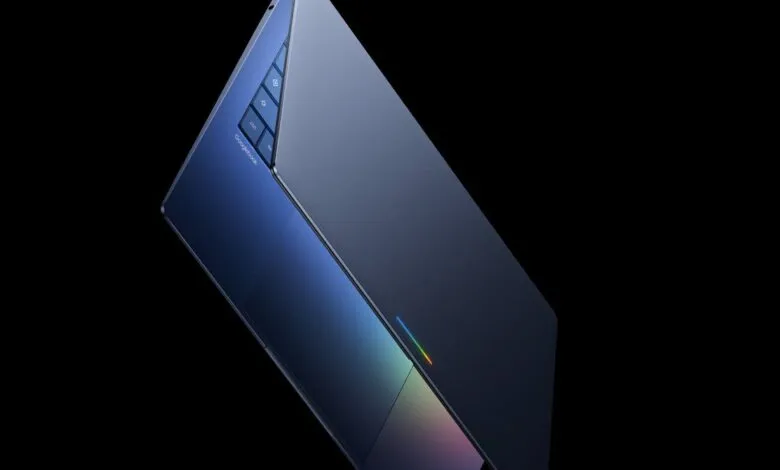
Nearly 15 years after the launch of Chromebooks and ChromeOS , a line of affordable, web-centric laptops that eventually dominated the U.S. education market , Google is unveiling a new platform. Called Googlebook, this system is built around artificial intelligence and Android. While it won’t replace Chromebooks, it could help Google establish a stronger presence in the premium laptop space.
Google introduced the platform during The Android Show on YouTube, where it also previewed upcoming features in Android 17 and Gemini Intelligence. The company is deliberately holding back the operating system’s official name (internally codenamed Aluminium OS), but the platform itself is called Googlebook. Dell, Acer, Asus, HP, and Lenovo have all committed to producing Googlebooks, with devices arriving later this fall.
More details are expected later this year, but I spoke with Alexander Kuscher, Google’s senior director overseeing Android tablets and laptops, to get a clearer picture. Kuscher emphasized that the Android ecosystem is currently experiencing a surge of innovation, and that momentum translates naturally into laptops.
“You want to take advantage of the fact that this ecosystem is innovating so fast that you make sure that laptops are at the tip of that innovation wave , building on top of Android technologies makes that so much easier for us,” he said.
Historically, when Google rolls out new Android or Gemini features, it often extends them to platforms like Wear OS, Android Auto, or Google Home. Chromebooks were rarely included because they relied on a different tech stack and followed their own development cycles. With Googlebooks, that changes: new Android features will appear on Googlebook laptops wherever it makes sense.
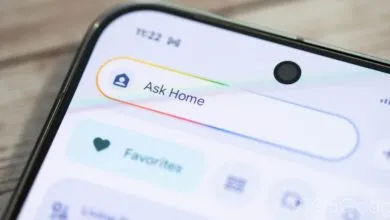
A clear example is Create a Widget, a generative AI feature arriving in Android 17. Users can generate a custom widget by speaking naturally with Gemini , for instance, creating a widget that displays the day’s exchange rate while traveling, or a weather widget that also shows wind speed. This feature will also work on Googlebooks.
The standout feature Google is teasing at launch is the cursor, dubbed the Magic Pointer on a Googlebook. Developed with Google’s DeepMind team, you simply wiggle the cursor while hovering over an app or image to receive contextual suggestions. For example, wiggle over a date in an email, and Gemini might suggest creating a calendar event. Select two photos in the Files app, wiggle, and Gemini will ask if you want to merge them.
The Play Store will be the hub for all apps. But this raises a familiar question: how is Google overcoming the classic Chromebook limitation? In ChromeOS, you cannot install desktop-grade apps like those on Windows or macOS , you are limited to Android apps from the Play Store or web apps. That’s a deal-breaker for users who rely on specific software without a strong web or Android version.
The solution lies in adaptive apps. For several years, Google has encouraged developers to make apps responsive to screen size. Now, that push extends to encouraging app makers to create desktop versions of their Android apps for Googlebooks. Kuscher stressed that this experience will be different from the “constrained” Android app experience on Chromebooks, which were originally designed for a web-first era.
(Source: Wired)