Nvidia enters Arm PC market with high-end RTX Spark chip
▼ Summary
– Nvidia announced the Arm-based RTX Spark chip for Windows PCs, combining a 20-core Grace CPU with up to 6,144 Blackwell-based GPU cores and up to 128GB of unified LPDDR5x memory.
– Partners including Asus, Dell, HP, Lenovo, Microsoft, MSI, Acer, and Gigabyte plan to release slim laptops and compact desktops with the chip in fall 2025; pricing was not disclosed.
– This is not Nvidia’s first Windows Arm chip, as earlier Tegra series chips powered Windows RT tablets, but modern Arm Windows PCs have exclusively used Qualcomm processors.
– Nvidia benefits from improvements in Microsoft’s Prism x86-to-Arm translation and the availability of native Arm apps, making Arm PCs nearly indistinguishable from Intel/AMD PCs for productivity work.
– Nvidia and Microsoft are working with game developers to improve Arm gaming, targeting support for League of Legends, Valorant, PUBG, and anti-cheat software to address lag and compatibility issues.
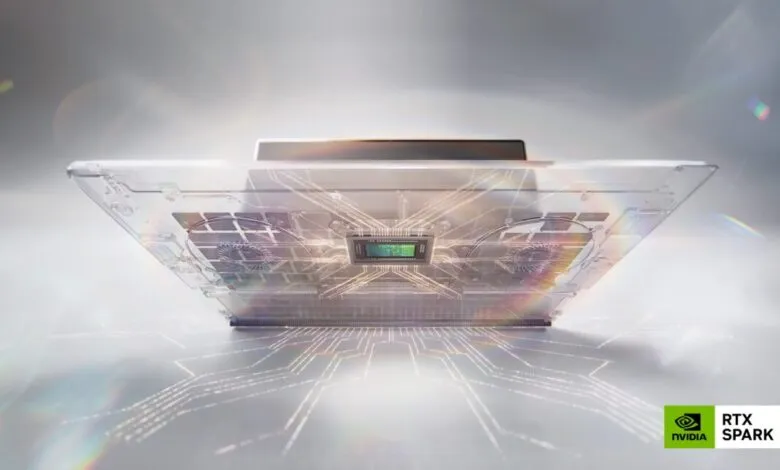
Nvidia’s primary business now revolves around AI data center hardware, making its consumer product launches feel like a side venture. Yet the company continues to drop occasional surprises for everyday users. After years of speculation, Nvidia has officially unveiled an Arm-based processor designed for Windows PCs. Called the RTX Spark, this chip features a 20-core Nvidia Grace CPU co-developed with MediaTek, up to 6,144 Blackwell-based GPU cores (the same architecture powering the RTX 50-series), and support for up to 128GB of unified LPDDR5x memory.
Nvidia and its hardware partners have not disclosed pricing. But they have confirmed that both “slim Windows laptops with all-day battery life and premium displays” and “compact desktop PCs” will be available “this fall” from a wide range of manufacturers. Those partners include Asus, Dell, HP, Lenovo, Microsoft, MSI, Acer, and Gigabyte.
This is not Nvidia’s first attempt at building a chip for Windows on Arm. Earlier Tegra processors powered a handful of short-lived Windows RT tablets. However, after the Tegra X1 in the late 2010s, those chips largely vanished from consumer devices. (Variants of the X1 still live on inside the original Nintendo Switch and the enduring Nvidia Shield TV box.) Since then, all Arm-based Windows PCs running Windows 10 and 11 have relied on processors from Qualcomm.
Nvidia now stands to benefit from the years of refinement Microsoft has poured into the Arm version of Windows. The x86-to-Arm code translation layer, known internally as Prism, has grown significantly faster and more reliable. Many major applications now ship native Arm versions that run without the performance penalties still common in translated apps. For most productivity tasks and general computing, an Arm-based PC feels nearly indistinguishable from one powered by Intel or AMD.
Still, the gaming experience remains a weak spot for Arm-based Windows devices. Translated games often run, but they can suffer from lag or responsiveness issues even at decent frame rates. Many titles that rely on kernel-level anti-cheat software still refuse to launch at all. To address this, Nvidia and Microsoft told The Verge that they are actively working with Riot Games to bring League of Legends and Valorant to Arm PCs. They are also collaborating with Krafton on PUBG support, and with the developers of Easy Anti-Cheat, BattlEye, and Denuvo.
(Source: Ars Technica)