Aluminium OS: The Future of Chromebooks Explained
▼ Summary
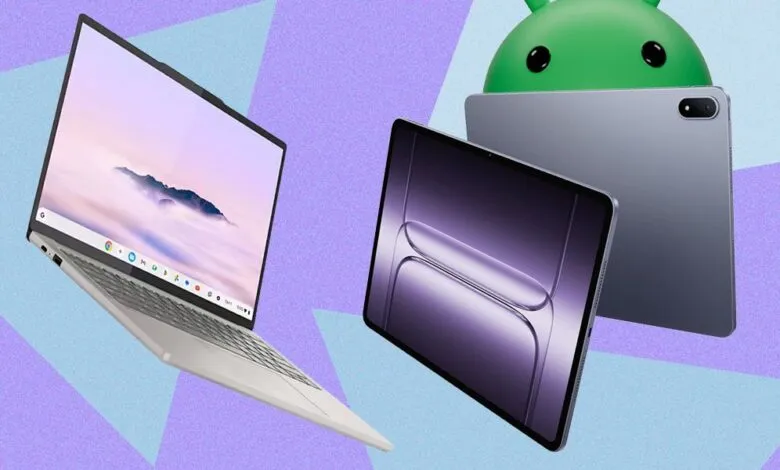
– Google is developing a new operating system, reportedly called Aluminium OS, which will merge its Android and ChromeOS platforms.
– This initiative follows years of incremental integration, like bringing Android apps to Chromebooks, and a previous failed attempt with the Pixel Slate in 2018.
– Google executives confirmed the merger at a Qualcomm event, framing it as “bringing Android to the PC market” and announcing a partnership with the chipmaker.
– The project aims to combine Google’s previously separate systems for PCs and smartphones into a single, unified platform.
– The new merged operating system is officially scheduled to launch sometime in 2026.
Google is poised to fundamentally reshape its computing strategy with a major new initiative, moving beyond its current ChromeOS and Android platforms. For years, the company’s hardware efforts have often been seen as trailing behind more dominant competitors. However, a significant shift is on the horizon, centered on a unified operating system currently referred to as Aluminium OS. This project represents Google’s most ambitious attempt yet to create a cohesive ecosystem that bridges the gap between mobile and desktop computing.
The journey toward this merger has been a long one. Observers have speculated about a combined platform ever since the Pixel Slate, Google’s initial ChromeOS-and-Android hybrid device, failed to gain traction in 2018. While Google has made incremental progress over the last decade, such as enabling Android apps on Chromebooks, the core systems have remained distinct. This cautious, step-by-step integration has mirrored Apple’s strategy, where macOS and iPadOS continue to operate separately despite their shared foundations.
The situation changed dramatically at a recent industry event. During Qualcomm’s Snapdragon Summit, Google’s hardware lead, Rick Osterloh, took the stage to make a pivotal announcement. He confirmed the merger of ChromeOS and Android, framing it as an effort to “bring Android to the PC market.” The partnership with Qualcomm is a logical step, leveraging the chipmaker’s extensive expertise across mobile and laptop processors. Later, Sameer Samat, president of the Android ecosystem, elaborated that Google has historically maintained very different systems for PCs and smartphones but is now actively working to combine them.
This new, unified operating system is officially slated for launch in 2026. While a debut at Google I/O that year seems a likely venue, the exact timeline remains to be confirmed. This move signals Google’s commitment to creating a seamless, powerful platform capable of competing more effectively in the broader computing landscape, potentially changing how users interact with everything from phones to laptops.
(Source: Wired)