Autonomous vehicles may not cut traffic after all
▼ Summary
– Robotaxis are now a commercial reality in a few U.S. cities, with Waymo launching service in California after a decade of development.
– Waymo’s data shows its robotaxis had fewer crashes and lower insurance claims than human drivers, though the technology still has issues.
– Robotaxis have not been shown to reduce traffic congestion, performing similarly to ride-hailing services like Uber and Lyft.
– A study found that about 44% of Waymo’s miles are driven empty, a practice known as “deadheading.”
– Waymo has reduced deadhead miles per trip over time, partly by introducing freeway service and optimizing pickups.
The promise of autonomous vehicles has long extended beyond safety into the realm of traffic reduction. However, fresh data suggests that robotaxis may not deliver on that particular front. After years of development and over $100 billion in investment, companies like Waymo have proven their cars can be safer than human drivers, with significantly lower insurance claims. Yet when it comes to easing congestion, the numbers tell a different story.
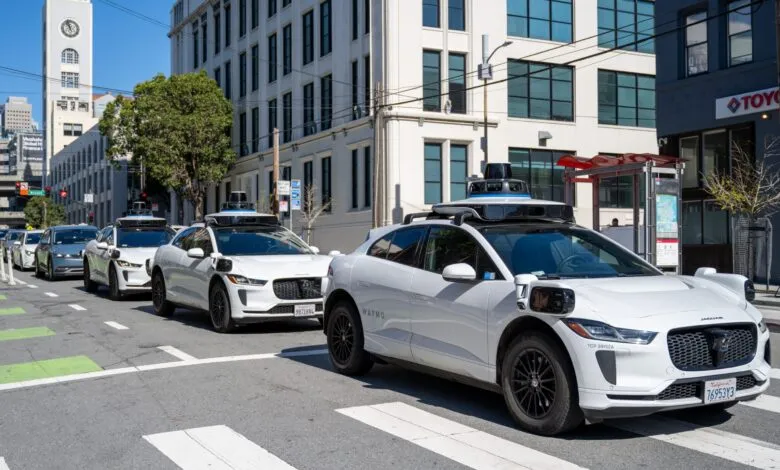
A new analysis of Waymo’s operations in California, published in Transport Findings by MIT Transit Lab Assistant Director of Research Awad Abdelhalim, reveals a persistent problem: empty robotaxis. The study examined data from August 2023 through December 2025, covering nearly 14 million trips and 86.3 million miles driven. During this period, Waymo’s fleet grew at roughly 15 percent per month. But the proportion of miles driven with a passenger onboard started at just 36 percent. By the end of the study, that figure had climbed to around 56 percent and then leveled off. That means nearly half of all miles driven by Waymo’s electric Jaguar I-Paces are deadhead miles , trips with no passengers.
There are two types of empty driving: vehicles cruising without a rider while waiting for a booking, and vehicles traveling empty to pick up a passenger. Waymo has made progress on the latter, reducing deadhead miles per trip as it expanded its fleet and introduced freeway service. Still, the overall rate remains high. On recent visits to San Francisco, the sensor-laden EVs were everywhere, but human passengers were scarce.
The implication is clear: robotaxis may not cut traffic any better than existing ride-hailing services like Uber or Lyft. While they offer safety advantages, their operational model still generates significant empty mileage. As the technology matures, reducing these inefficiencies will be crucial if autonomous vehicles are to live up to their billing as a solution for urban congestion. For now, the road to a traffic-free future remains longer than many hoped.
(Source: Ars Technica)