China Robotaxi Stranding Sparks Safety Concerns
▼ Summary
– An unknown technical problem caused multiple Baidu Apollo Go robotaxis to freeze in traffic in Wuhan, China, trapping some passengers for over an hour.
– A college student reported being stuck for about 90 minutes, with the car malfunctioning repeatedly before stopping, and customer service was unhelpful.
– Social media posts showed widespread vehicle failures, with passengers unable to reach support via phone or the in-car SOS button.
– The incident caused traffic hazards, including one driver crashing into a stopped robotaxi, resulting in significant vehicle damage.
– Local police confirmed a system malfunction caused the incident, which is under investigation, with no injuries reported.
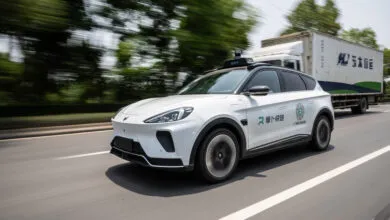
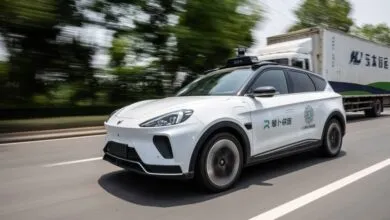
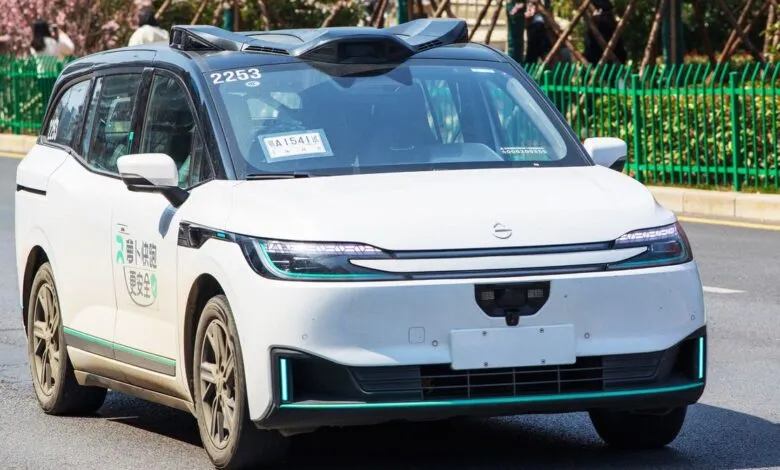
A significant technical failure in central China this week left multiple autonomous vehicles stranded in traffic, raising urgent questions about the safety protocols and operational resilience of commercial robotaxi services. In Wuhan, where the tech firm Baidu operates hundreds of its Apollo Go self-driving taxis, a widespread system malfunction caused numerous cars to halt abruptly on busy roadways. Passengers reported being trapped inside the immobilized vehicles for extended periods, with some unable to reach customer support for assistance.
One university student, who provided only her surname, He, described a harrowing 90-minute ordeal. Her ride malfunctioned several times before coming to a final stop at an intersection. An in-car display instructed the passengers to remain seated with their seatbelts fastened, promising a company representative would arrive shortly. However, after struggling for half an hour to get through to a customer service agent who offered no explanation or timeline, no help ever arrived. He and her two companions eventually exited the unlocked vehicle and left on their own.
The incident sparked a wave of complaints on Chinese social media platforms. Users shared videos and images of the Apollo Go robotaxis frozen in traffic lanes, including on major highways. One passenger detailed her futile attempts to use the vehicle’s emergency features, noting that an SOS button returned an “unavailable” message. She was forced to manually open the door and exit while traffic backed up behind her stationary car. “Apollo Go, you really owe me an apology,” she wrote online.
While no injuries were reported among the stranded passengers, the autonomous vehicle failure appears to have contributed to at least one collision. A separate social media post from a driver claimed he crashed into a stalled Baidu vehicle on a highway. He stated that a car swerved to avoid the robotaxi at the last moment, leaving him without enough time to react. Photographs showed his SUV with severe front-end damage, including a torn-off fender. Other dashcam footage from the day depicted drivers taking evasive action to avoid multiple parked robotaxis along a route.
Local police in Wuhan confirmed the incident was likely due to a system malfunction and stated an investigation is ongoing. They noted all passengers had safely exited the vehicles. Baidu has not publicly commented on the cause or the scope of the outage, leaving it unclear exactly how many of its self-driving taxis were affected. The event underscores the critical challenges facing the robotaxi industry, particularly regarding real-time failure management and reliable passenger communication during technical crises.
(Source: Wired)