Tesla Robotaxis Launch in Dallas and Houston, Already Unavailable
▼ Summary
– Tesla announced a robotaxi service launch in Dallas and Houston, but tracking data shows very few vehicles were actually available.
– The service areas in both cities are currently limited, covering approximately 31 square miles in Dallas and 25 in Houston.
– The launch timing, just before a quarterly earnings report, has led some to view it as an attempt to boost the company’s stock price.
– Safety concerns persist, highlighted by a recent report of 14 crashes and an incident where a vehicle mistakenly entered a freeway.
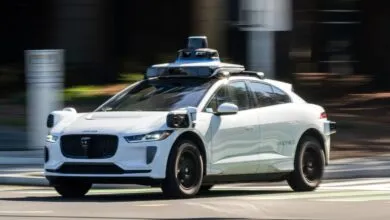
– Tesla’s limited launch strategy mirrors competitors like Waymo, which also started in these cities with a small number of vehicles.
The much-anticipated launch of Tesla’s robotaxi service in Dallas and Houston has been met with immediate questions about its real-world availability. While the company announced the rollout over the weekend, data from independent trackers shows the service has been largely inaccessible to the public. This limited launch follows a familiar pattern for the company, arriving just days before a critical financial report.
Online data from Robotaxi Tracker indicates the service was listed as “unavailable” in both Texas cities by Monday morning, following only brief periods of activity on Sunday. For context, Tesla’s established service in Austin showed 46 vehicles available at the same time. The initial operating zones for the new cities are confined, covering approximately 31 square miles in Dallas and 25 square miles in Houston. This cautious, small-scale start is not uncommon in the autonomous vehicle industry. Competitor Waymo, for instance, also recently began operations in Dallas and Houston with a very limited fleet, estimated at 16 and one vehicle respectively.
However, the timing of Tesla’s announcement is drawing particular scrutiny. The company is scheduled to report its first-quarter earnings, leading some observers to view the robotaxi news as a potential effort to influence its stock price. This strategy has precedent. Tesla previously announced the start of unsupervised rides in Austin just before its fourth-quarter earnings report, which prompted a brief stock surge. That momentum faded after the earnings call revealed a second consecutive year of declining revenue and profits.
Beyond questions of availability and timing, safety concerns persist around Tesla’s autonomous technology. In February, the company disclosed that its robotaxis had been involved in 14 crashes since launching last year. A significant point of contention is that Tesla, unlike other operators, redacts key details about these incidents in its reports to federal regulators, making it difficult to assess their severity.
Early social media posts from the Dallas area are unlikely to ease these worries. One video shared over the weekend appeared to show an unsupervised Tesla vehicle mistakenly entering a freeway, subsequently requiring a remote operator to intervene and find a safe place to stop. As Tesla attempts to scale its autonomous ridehailing service, bridging the gap between promotional announcements and consistent, safe public operation remains its central challenge.
(Source: The Verge)