Uber Aims to Be the Swiss Army Knife of Robotaxis
▼ Summary
– Uber has launched a new division called Uber Autonomous Solutions to handle the operational tasks for autonomous vehicle businesses, such as software and support services.
– The initiative aims to allow AV tech companies to focus on their core software development by taking over areas like demand generation, customer support, and fleet management.
– Uber’s goal is to help its partners reduce costs per mile and accelerate market entry, with plans to scale robotaxi deployments to over 15 cities by year’s end.
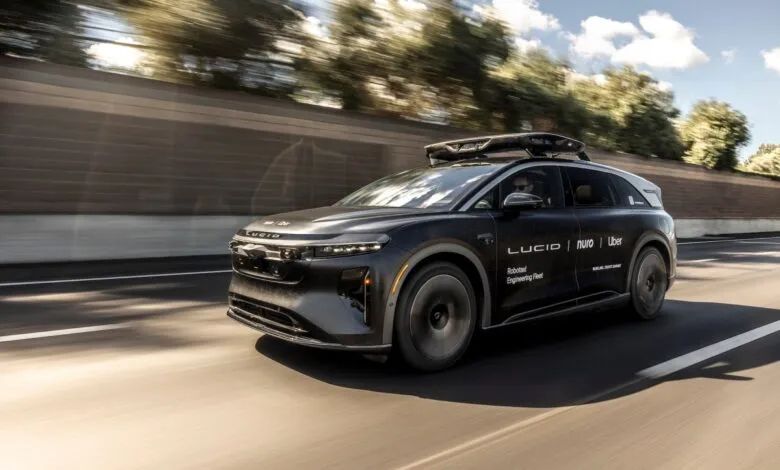
– The company will provide infrastructure services like data collection, mapping, and regulatory support, using a fleet of Lucid vehicles to gather training data for partners.
– This strategic move follows Uber’s sale of its in-house AV unit in 2020 and represents an effort to become indispensable in commercializing autonomy while protecting its core business.
Uber is positioning itself as the essential backbone for the autonomous vehicle industry, launching a new division dedicated to providing the comprehensive operational services needed to run a robotaxi or self-driving delivery business. This strategic move formalizes years of partnership building and investment, aiming to make the company an indispensable partner for AV tech firms. The initiative, called Uber Autonomous Solutions, is designed to handle everything from software and customer support to fleet management and regulatory services, allowing technology companies to concentrate solely on refining their self-driving software.
The company has cultivated relationships with almost two dozen autonomous technology partners across various sectors, including robotaxis, trucking, sidewalk robots, and drones. Investments in companies like Lucid, Nuro, Waabi, and WeRide, alongside a $100 million project for specialized charging stations, underscore this commitment. Uber’s leadership believes the key to unlocking a self-driving future lies not just in the technology itself, but in creating a viable commercial framework for it. “What’s going to determine the success or failure of autonomous in the world is whether it can be commercialized, and Uber is going to be the thing that makes autonomy commercially viable,” stated Uber’s President and COO, Andrew MacDonald.
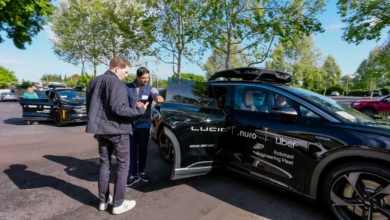
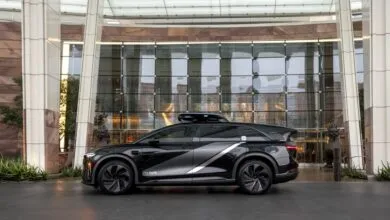
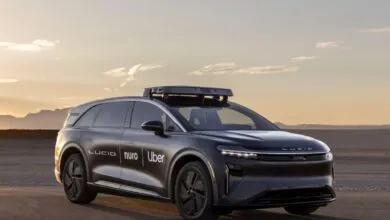
The new division’s mandate is to add operational depth wherever partners require it. This encompasses generating rider demand, managing the customer experience, providing support, and handling the day-to-day logistics of fleet operations. A significant focus is on reducing operational costs per mile and accelerating market entry for these technologies. Uber has set an ambitious goal to help its partners expand robotaxi services to over 15 cities by the end of this year. To support this, the company is utilizing a fleet of Lucid vehicles equipped with sensors to gather crucial mapping and training data, which is then shared with partners to refine their AI systems.
Uber Autonomous Solutions also plans to take on complex challenges like fleet management, which includes remote assistance, insurance, and employing human support staff. This area has recently drawn regulatory scrutiny, particularly concerning the use of overseas workers for remote vehicle assistance. By offering these services, Uber aims to provide a turnkey solution that addresses both technical and logistical hurdles. The strategy represents a pragmatic pivot for the company, which sold its own internal self-driving unit, Uber ATG, in 2020 following a fatal accident and subsequent internal challenges.
Since that sale, Uber has aggressively pursued a partnership model to secure its place in the autonomous ecosystem. It has established joint services with Waymo in cities like Atlanta and Austin, formed alliances with Chinese tech leaders Baidu and Pony.ai, and partnered with sidewalk delivery robot firms such as Cartken and Starship. A planned robotaxi service with Volkswagen in Los Angeles is slated for a 2026 launch, with a driverless version expected the following year. While these alliances offer some strategic insulation, they do not directly replace the core revenue from its human-driven ride-hailing and delivery operations. Uber is betting that this new division will not only support its partners but also create a vital new revenue stream, ensuring the company remains central to the future of transportation as it evolves.
(Source: TechCrunch)