Xbox Project Helix: Console, PC, or Hybrid?
▼ Summary
– The historical hardware distinctions between consoles and PCs have blurred, as modern consoles use x86 architecture and unified CPU/GPU chipsets similar to PCs.
– A key difference is software freedom: PCs can run arbitrary code from many sources, while consoles are curated to run only vetted software from the platform holder.
– The operating system plays a central role, with consoles using specialized OS variants for efficiency, unlike general-purpose PC operating systems.
– Unrestricted access to hardware and file systems is a strong indicator of a PC; consoles typically lock files in encrypted formats to prevent piracy and cheating.
– Microsoft’s Project Helix aims to carve a unique market space by embracing a more open, PC-like design to compete with the presumed traditional PS6 console.
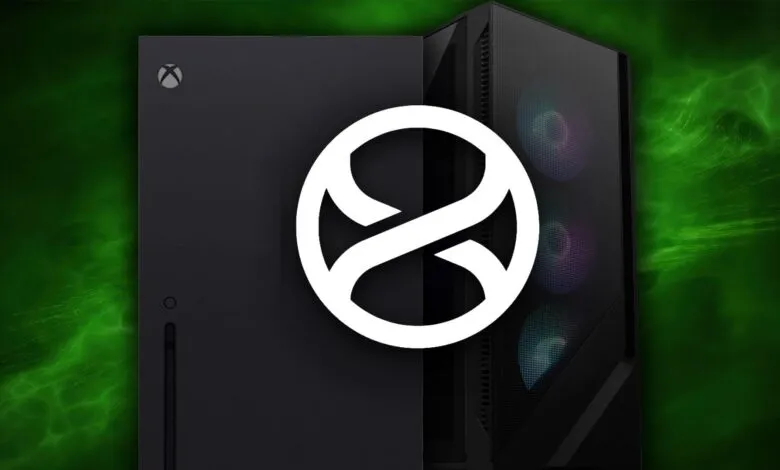
The line between traditional consoles and personal computers has never been thinner, and Microsoft’s upcoming Project Helix next-generation console,expected to be revealed in detail later today,sits right at that intersection. If forced to categorize it, the question becomes: is Project Helix a PC, a console, or something in between?
This is partly a matter of semantics, so let’s break down what historically defined each category. Consoles once stood apart due to their custom architectures and proprietary silicon, but the PS5 and Xbox Series X|S already rely on the same x86 architecture found in modern PCs. Meanwhile, while desktop gaming PCs typically feature separate CPU and GPU components, many laptops and handheld gaming PCs now employ a unified chip design that integrates both processors and shares memory. The efficiency advantage of a tightly integrated hardware and software ecosystem still exists, but pointing to a single hardware feature that decisively separates a console from a PC has become increasingly difficult.
A more useful distinction today may be software freedom. PCs can run virtually any software from countless storefronts, while consoles are curated ecosystems where only vetted applications,approved by the platform holder,are officially supported. Yes, you can sideload UWP apps on Xbox Series consoles, and both PS3 and PS5 support Linux installations, but the default, supported experience remains disc or a single official store. The PC, by contrast, is built from the ground up to run arbitrary code with minimal restriction.
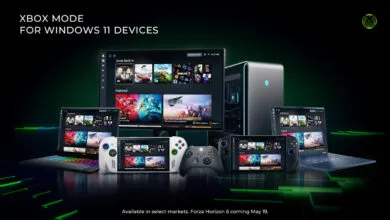
The operating system also plays a defining role. While Xbox Series consoles use a variant of the Windows kernel, it is far more specialized than even the stripped-down Xbox mode intended for Windows 11 gaming handhelds. That specialization was originally necessary to make console hardware punch above its weight compared to contemporary PCs, and that legacy persists,though modern consoles, with their SSDs and faster CPUs, are far more capable of functioning as general-purpose computers than their predecessors.
Devices like the Steam Deck and ROG Ally X are instructive here. They are designed to straddle both worlds: fully open PCs that can run any software, while also offering a curated, plug-and-play gaming experience via Steam or the Xbox store. For many users, the real differentiator comes down to the user interface and the level of platform curation.
Beyond that, unrestricted access to hardware and file systems may be the single clearest indicator of whether a device is a PC or a console. Consoles traditionally lock files in proprietary, encrypted formats to prevent piracy and cheating. If Project Helix allows full file access,whether directly on the device or via external storage,that would strongly suggest a PC orientation. Whether Microsoft will actually offer that remains to be seen.
It’s also worth considering why Microsoft is pursuing this path. By embracing a more open, PC-like design with Project Helix, the company aims to differentiate itself from a presumably traditional PS6. Moving away from the closed-box console model,potentially through chipset licensing or a hybrid software library,is a strategy to carve out a unique market position distinct from both Nintendo and Sony. Ultimately, the real question isn’t whether Project Helix is a PC or a console, but whether that hybrid approach will succeed in its goals.
We’ll learn more about Project Helix during a live stream later today. Stay tuned for Digital Foundry’s analysis and reaction.
(Source: Digitalfoundry.net)