Satellite industry faces $40B storm risk; 15-person startup builds forecast
▼ Summary
– The number of active satellites in orbit is expected to surge from over 8,000 to more than 25,000 by 2030.
– A single geomagnetic storm during a solar maximum could cost the satellite industry $40 billion.
– In February 2022, a moderate geomagnetic storm knocked 40 newly launched Starlink satellites out of orbit.
There are more than 8,000 active satellites circling Earth right now. By 2030, that number is expected to exceed 25,000. But here is the real risk: a single geomagnetic storm of the kind the sun unleashes several hundred times during a solar maximum could cost the satellite industry a staggering $40 billion. That threat became painfully real in February 2022, when a moderate storm sent 40 newly launched Starlink satellites tumbling out of orbit.
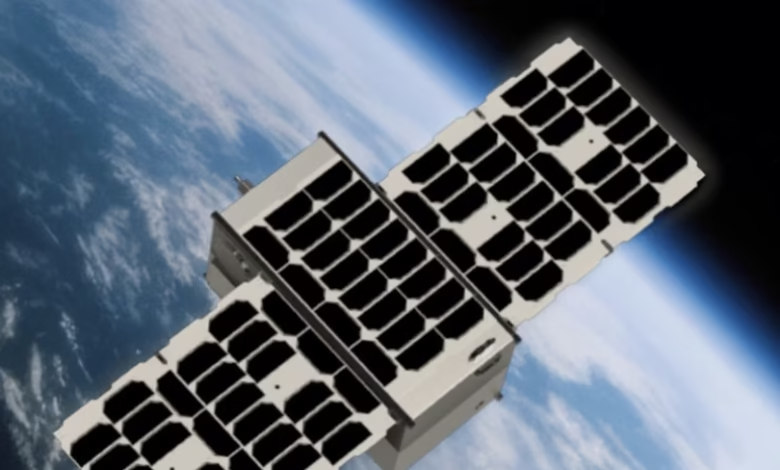
Against this backdrop, a tiny team of just 15 people is building what could become a critical early warning system. Their startup, Mission Space, is developing a satellite constellation called Hex20 specifically designed to forecast space weather with far greater accuracy than current capabilities allow. The company’s founders argue that existing space weather prediction is dangerously outdated, relying on a handful of aging government sensors that offer limited coverage and slow data delivery.
The Hex20 constellation aims to fill that gap by deploying a network of small, low-cost satellites that monitor solar activity in real time. The goal is to give satellite operators enough warning to protect their assets, whether that means shutting down sensitive electronics, adjusting orbits, or powering down vulnerable systems. For an industry facing billions in potential losses from a single storm, that kind of lead time could be the difference between a minor disruption and a catastrophic failure.
Mission Space is not alone in recognizing the vulnerability. Insurers, military agencies, and commercial operators are all watching closely. With the satellite population set to triple within the next four years, the stakes will only grow higher. The startup’s modest team is betting that a lean, focused approach can outmaneuver larger competitors and deliver a solution before the next big storm hits. If they succeed, their 15-person crew might just save the industry billions.
(Source: The Next Web)