Gmail’s AI Inbox could transform email deliverability
▼ Summary
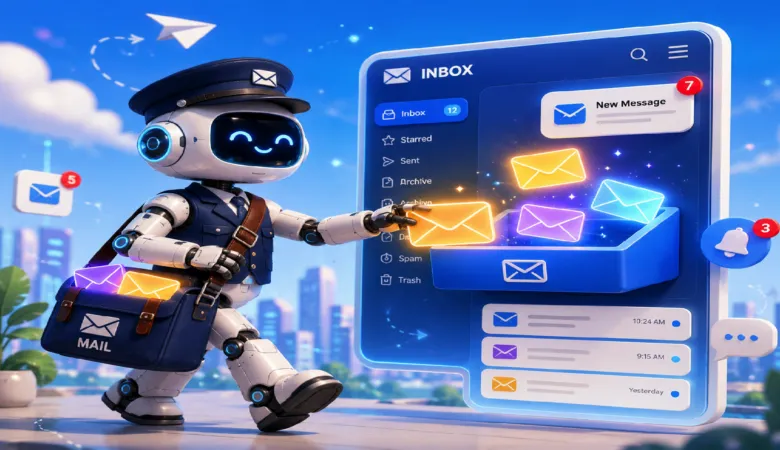
– Gmail’s AI Inbox, announced March 31, uses AI to prioritize emails and summarize content, aiming to eliminate the need for users to reach Inbox Zero.
– Email marketers predict a shift from deliverability to “discoverability,” where AI decides which emails are surfaced, requiring clear, direct copy and strategic content pillars.
– The update may penalize promotional emails while rewarding functional, high-value content, potentially making Primary inbox behavior similar to other tabs like Promotions.
– Adoption is expected to be slow due to the feature’s $250/month cost and limited user awareness, with many likely continuing their current inbox habits.
– Marketers should prepare by using native-text emails with alt text, personalizing content for clear value, and building strong sender reputation through engagement-focused flows and list hygiene.
Gmail’s latest innovation, the AI Inbox, officially announced on March 31, promises to reshape how users interact with their email,potentially making the quest for Inbox Zero a relic of the past. Much like Google’s AI Overviews began answering search queries before users clicked a link, this new feature lets artificial intelligence decide which emails deserve attention before a person even scrolls through their inbox. With Gmail commanding over 25% of the world’s email accounts, the implications for email marketing are significant, even if that user base is roughly half of Apple’s market share. For anyone in the business of sending emails, this shift is impossible to ignore.
To understand what this means, I consulted six respected email marketers and operators. Here is their collective insight on navigating this evolving landscape.
What Gmail’s AI Inbox Means for Marketers
Manu Cinca, founder of Stacked Marketer, argues that the focus is shifting from deliverability to discoverability. “After Gmail introduced different tabs, landing in Primary or Updates meant better performance,so deliverability was key,” he explains. “With AI Inbox, your email becomes one of many that Gemini pulls into a summary. It’s about convincing Gemini to show your email and content to the user. If Gemini becomes the gatekeeper, you might no longer have a direct connection with a subscriber.”
Tyler Cook, founder of Hypermedia Marketing, echoes this sentiment. “Content and context will play a larger role. In terms of content, we’ll eventually ‘chat’ with our inbox to find information. Brands need to think about their content pillars so that when a subscriber searches for a topic, their brand appears in the results. Context changes the game because AI could surface a marketing email that feels related to someone’s work tasks.”
Gmail’s announcement makes it clear: the platform intends to organize, prioritize, and surface emails based on relevance and function. Gabby Kustner, senior growth marketing manager at Customer.io, emphasizes the need for clarity. “Marketers must frame language so that an AI agent understands what is high versus low priority for the reader. We can’t rely on the human brain connecting visuals, headlines, and CTAs to determine importance if we don’t make it explicit.”
Matthew Gal, founder of The Kaizen Blitz, agrees. “There’s more pressure to be clear, direct, and easy to understand so both the reader and AI can pick up on what matters.”
Dave Schools, CEO of Singulate, believes AI Inbox will redefine deliverability itself. “You may make it into the inbox, but AI determines how visible you are. The difference between a ‘deprioritized generic blast’ and a ‘relevant, important message’ has never been higher stakes. Deliverability will have shades,it’s no longer pass/fail.”
Not all news is grim. Marc Thomas, founder of Positive Human, sees opportunity. “Gmail’s AI Inbox will benefit good email marketing and continue to punish bad email marketing. It surfaces good information, which is what you should have been sending all along, and relegates poor or purely promotional content to a ‘potluck.’” This means a better inbox experience for users and stronger outcomes for skilled marketers running excellent programs.
My takeaway: Since Gmail’s AI Inbox prioritizes to-dos and topics to catch up on, functional emails will likely get higher priority, while promotional emails may be buried. Gmail wants users to enjoy and actively use its products. If adoption takes off, the Primary tab could become just another folder, like Promotions or Social. In fact, it might become more generic, since Promotions and Social still carry intent signals,users visiting those tabs are actively looking for products or people and are more likely to click through.
Is This the End of Email as We Know It?
Maybe. Then again, maybe not.
Cook cautions that “there are still so many unknowns about how this feature will really work. AI Inbox will change behavior for sure, but it’s hard to guess in which ways.” Matthew Gal adds, “A lot of online marketers overestimate how fast this will change user behavior. Most people aren’t keeping up with AI updates day to day. Plus, Google hasn’t always been great at making users aware of new features inside Gmail, so adoption will probably be slower than expected.” He also believes that “a majority of users will keep going through their inbox the same way they always have. From what I see, this doesn’t change much in the near term from a revenue standpoint.”
My takeaway: AI Inbox is currently available only on Gmail’s most expensive tier at $250 per month,a steep barrier to entry. Widespread adoption won’t happen overnight. I’m inclined to agree with Gal: marketers are deep into AI, but most people outside marketing aren’t. Moreover, AI Inbox isn’t replacing the Primary inbox; it’s essentially another tab. So even if offered, there’s a big question mark around how many people will actually use it.
Granted, as Kustner points out, “agentic inboxes are here to stay,” so updating your email marketing strategy is wise. The question is how.
What Marketers Can Do to Prepare and Adapt
Gal may have reservations about AI Inbox’s broad impact, but he believes it should change how we write and structure emails. “We’ll probably move toward native-text emails, so every image will need alt text for AI to understand the content.”
Kustner recommends feeding Google Studio’s flow template instructions into your email tool or AI tool of choice. “When I fed Claude Google Studio’s instructions, it made suggestions to CTAs I have in emails.”
Does the old advice to “send more email” still hold? Thomas says yes. “You should send more email, but it should be genuinely useful and contribute value, as well as extract it.” One way to contribute that value, as Schools noted, is through personalization. “Can your content eliminate filler and deliver obvious value immediately at the contact level? Gmail’s AI prioritizes concrete, actionable information over emotional language or marketing fluff. Content personalization strategy will likely become your greatest deliverability signal.”
My two cents: Sender reputation and engagement history have always mattered, but they matter now more than ever, especially for contacts using AI inboxes. If Gmail doesn’t recognize a pattern of positive engagement between you and a recipient, your emails may never surface. Build welcome, follow-up, re-engagement, and nurture flows. Earn consent through opt-ins, and clean your lists and CRMs regularly.
What Marketers Should Not Do
Cinca predicts some marketers will get creative by making emails look like to-dos, bills, or events to trick Gemini. Kustner tells me it’s already happening. “This morning I received a cold email with the subject line ‘Action Required: Pausing Campaign.’ You won’t be surprised to hear there was neither any action required nor a campaign being paused.” Please, don’t do this. “You may land high in an inbox once with a trick like that,” Kustner warns, “but it’s a fast track to the spam folder and not a sustainable tactic.”
The Inbox Is Becoming Algorithmic
Whether or not agentic inboxes radically change user behavior, one thing stands out: you don’t really own your list like you once did. You have to earn inbox placement. ISPs are to email marketing what algorithms are to social media. Plan accordingly.
(Source: MarTech)