How Fitness Bands Fit Into the AI Health Era
▼ Summary
– A fitness band is described as a casual, lightweight, and affordable device for basic step, heart rate, and sleep tracking.
– The article contrasts traditional fitness bands with modern wearables, which have become more complex and phone-dependent.
– The piece is a newsletter from The Verge’s Victoria Song, discussing the impact of the AI health boom on simple fitness devices.
A fitness band used to be the low-commitment path to self-improvement. It was light, unobtrusive, and required almost no mental energy. You strapped it on, counted your steps, checked your basic heart rate, and maybe glanced at your sleep score. Some models showed the time, others didn’t. Either way, it wasn’t designed to be a constant digital companion tethered to your phone’s chaos. That simplicity, however, is getting harder to maintain in the age of AI-driven health tracking.
The market for wearable health technology has shifted dramatically. Smartwatches now pack cellular connectivity, app stores, and advanced sensors that monitor everything from blood oxygen to stress levels. Fitness bands, by contrast, were supposed to stay lean and focused. But as AI health algorithms become more sophisticated, even the humble fitness band can’t remain as stripped down as it once was. The pressure to deliver deeper insights, predict health trends, and integrate with broader wellness ecosystems is reshaping the category.
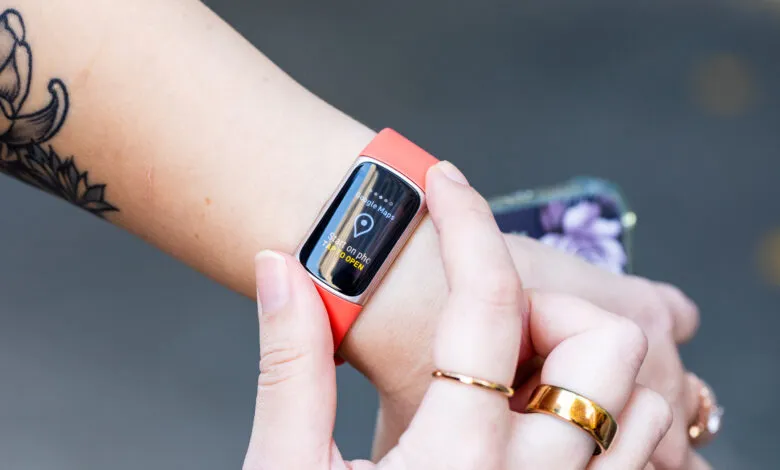
Take Fitbit’s Charge 6 as a prime example. It still tracks steps and sleep, but it now includes Google Maps integration, YouTube Music controls, and a more advanced heart rate sensor. These features push it closer to smartwatch territory, blurring the line between a simple tracker and a full-fledged wearable. The question is whether that added complexity improves the experience or dilutes the core promise of a fitness band: being easy, affordable, and unintrusive.
For users, the evolution means more data and potentially better health outcomes. AI can analyze patterns over time, offering personalized recommendations for exercise, recovery, and even early warning signs of illness. But there’s a trade-off. More features often mean more notifications, more battery drain, and more time spent managing the device itself. The casual, set-it-and-forget-it ethos of early fitness bands is fading.
Ultimately, the future of fitness bands lies in striking a balance. They need to harness AI without overwhelming the user. They must remain accessible in price and complexity while competing with the expanding capabilities of smartwatches. For now, the category is in a transitional phase, trying to prove that simplicity and intelligence can coexist. Whether that’s possible will determine if fitness bands remain relevant or get absorbed entirely into the smartwatch ecosystem.
(Source: The Verge)