Apple’s Mac Thrives in Post-Cook Leadership
▼ Summary
– The Mac experienced a period of decline under Tim Cook, marked by issues like the butterfly keyboard and underwhelming Intel chips.
– Its revival began with the 2020 transition to Apple Silicon, which prioritized performance and usability over excessive thinness.
– Apple announced leadership changes, with hardware veteran John Ternus becoming CEO and chip architect Johny Srouji taking over all hardware engineering.
– Srouji’s promotion signals Apple’s continued focus on chip performance, which is central to the Mac’s current success.
– The author is hopeful these changes will prevent a return to design-focused compromises, citing the practical, repairable MacBook Neo as evidence.
The Mac’s journey under Tim Cook’s leadership has been a turbulent one, marked by several notable missteps. The problematic butterfly keyboard, the awkward shift to USB-C, the gimmicky Touch Bar, and the inconsistent performance of Intel processors all contributed to a period where the platform felt neglected. For many loyal users, it appeared Apple’s creative energy had been siphoned entirely toward the iPad, leaving the Mac in a prolonged slump.
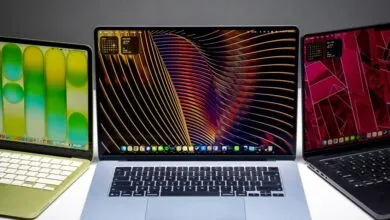
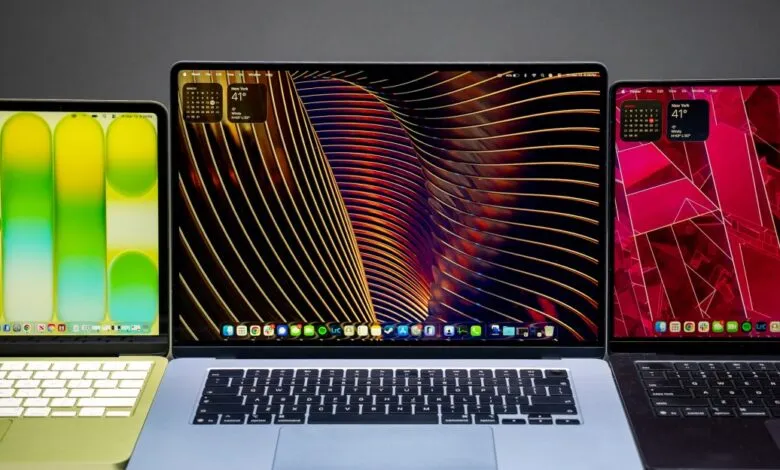
That trajectory reversed dramatically with the pivotal transition to Apple Silicon in 2020. The introduction of the M-series chips revitalized the entire lineup, shifting the design philosophy from a relentless pursuit of thinness to a renewed focus on usability and performance. This move has ushered in what many consider a new golden age for the Mac, a resurgence that seems poised to continue given Apple’s recent executive reshuffle.
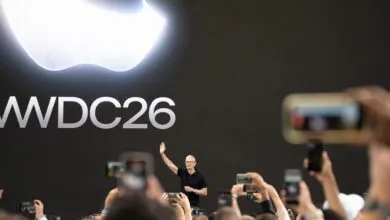
A significant leadership change was announced yesterday, with Tim Cook preparing to step aside for John Ternus this September. Ternus is a veteran hardware executive with 25 years at Apple, having worked on everything from the iPhone and iPad to the Apple Watch, AirPods, and multiple Mac generations. His deep involvement was evident during the recent MacBook Neo launch, where he was quoted in press materials, gave interviews, and took the stage at Apple’s New York event. His promotion signals a hardware-centric vision for the company’s future.
Equally important is Johny Srouji assuming Ternus’ former role, now overseeing all hardware engineering. Srouji is widely recognized as The Chip Guy behind Apple’s silicon revolution. After stints at Intel and IBM, he joined Apple in 2008 to build its in-house chip team from the ground up, starting with the A4 for the original iPad and iPhone 4. Under his leadership, that team grew from about 50 engineers to thousands. Srouji championed a scalable architecture that could power a phone, then an iPad, and ultimately redefine performance for the entire Mac lineup. His elevation is perhaps the clearest indicator that Apple intends to double down on the chip performance and efficiency that have become the Mac’s greatest strengths.
For anyone who has watched Srouji during Apple keynotes, his passion for the technical details of the M-series chips is palpable. He manages to make complex semiconductor talk engaging, a rarity in an era of highly scripted presentations. This enthusiasm is warranted. While modern MacBooks boast impressive displays, trackpads, and speakers, their core advantage lies in the exceptional performance and battery life delivered by Srouji’s silicon. The chips are so powerful that iPhone processors can now run inside a Mac.
Until now, there was legitimate concern that Apple might revert to old habits. Rumors of an upcoming OLED-touchscreen MacBook Pro with a thinner design sparked fears that performance, thermals, or battery life might be compromised for aesthetics. The last time Apple prioritized thinness above all else, it gave us the butterfly keyboard era, a dark chapter largely driven by former design chief Jony Ive.
However, placing a chip expert like Srouji in a top leadership role suggests performance won’t be an afterthought. This optimism is bolstered by the MacBook Neo itself. Apple could have resurrected the ultra-thin, single-port 12-inch MacBook form factor, but it didn’t. The Neo has a sensible weight and thickness comparable to a MacBook Air, with iFixit praising it as the most repairable MacBook in 14 years. This practical approach is a welcome departure from past excesses.
Mistakes will inevitably occur. John Ternus, after all, oversaw the divisions that brought us the butterfly keyboard and Touch Bar. And while Johny Srouji’s chip success fueled the Mac renaissance, his new responsibilities span all Apple hardware, a monumental task. Software remains a separate challenge, as evidenced by the ongoing complexities of macOS.
Yet, if given the choice between a supply-chain expert and leaders with deep hardware or silicon expertise to guide the Mac’s future, the latter is the clear preference. With both a hardware guy and a chip guy now in commanding positions, the outlook for the Mac is brighter than it has been in years, positioning it to remain one of Apple’s most successful and innovative product lines.
(Source: The Verge)