Ars staff picks the best rockets 100 years after the first launch
▼ Summary
– Robert Goddard launched the world’s first liquid-fueled rocket, named “Nell,” 100 years ago from the article’s publication date.
– The rocket’s flight was modest, reaching only 41 feet and lasting 2.5 seconds before crashing.
– Despite its brief flight, this event was a historic achievement that paved the way for modern spaceflight and lunar missions.
– The article transitions to a staffer’s personal account of attending the 2010 Space Shuttle Endeavour night launch (STS-130).
– The author describes extensive pre-launch tours at Kennedy Space Center and viewing the launch from the Banana Creek area.
One hundred years ago, a modest flight lasting mere seconds ignited a revolution. Robert Goddard’s first liquid-fueled rocket launch, though reaching only 41 feet, fundamentally altered humanity’s trajectory. That pioneering moment paved the way for satellites, human spaceflight, and lunar landings within a few decades. To commemorate this centennial, several Ars staff members are reflecting on the rocket launches that left an indelible mark on them.
In February 2010, I had the extraordinary fortune to witness one of the final night launches of the Space Shuttle program: STS-130 aboard Endeavour. This mission was critical for International Space Station assembly, delivering the Node 3 module and the iconic Cupola observation window. My invitation came through my wife, who had contributed to Node 3’s development at Boeing and was there to see her team’s work finally ascend.
The day preceding liftoff was a blur of exclusive access at Kennedy Space Center. We examined a massive Crawler-Transporter at close range and stood for photographs beside Launch Complex 39A, with Endeavour poised on the pad. Tours continued through the Vehicle Assembly Building, the Orbiter Processing Facility, and the Space Station Processing Facility. A celebratory team lunch included European Space Agency partners, with Italian engineers from Alenia generously sharing wine from home.
The scheduled launch time was 4:39 AM Eastern on February 7, ruling out any notion of sleep. After a short rest at the hotel, buses collected our group around midnight for transport to the Banana Creek viewing site. Located roughly four miles from the launch pad and adjacent to the Saturn V Center, the area offered a perfect vantage point. We passed the pre-dawn hours exploring the center’s remarkable exhibits, surrounded by legendary artifacts from the history of space exploration.
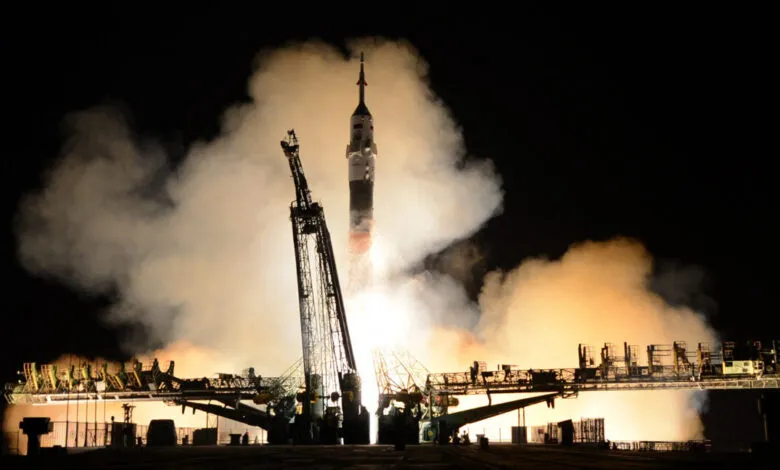
The air grew thick with anticipation as the countdown entered its final minutes. Suddenly, the darkness was violently torn apart. A brilliant, sun-like glare erupted at the pad, followed seconds later by a deep, rolling thunder that physically shook the ground. Endeavour climbed slowly, a magnificent torch carving a fiery arc into the black sky. The sheer power was overwhelming, a visceral experience that no video could ever replicate. It was a breathtaking tribute to human ingenuity and a poignant reminder of the shuttle program’s awe-inspiring legacy.
(Source: Ars Technica)