Unlocking Creativity in B2B Marketing: Why It’s Lacking
▼ Summary
– B2B organizations may be missing opportunities to connect with audiences because their marketing lacks creativity.
– The creators of “ROI: The Musical” discuss why B2B companies often avoid creative marketing approaches.
– Creativity in marketing is seen as risky, subjective, and difficult to measure effectively.
– “ROI: The Musical” itself illustrates the challenge of measuring return on investment for creative initiatives.
– The conversation explores whether bureaucracy and personal preferences are limiting creative marketing efforts.
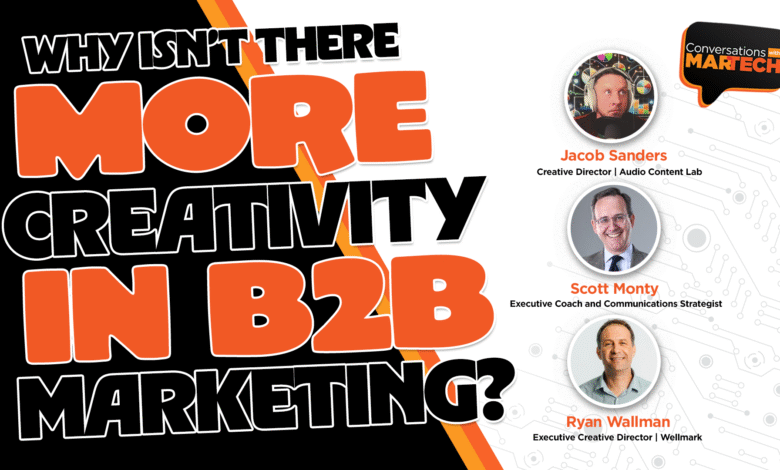
Many B2B marketing teams struggle to inject genuine creativity into their campaigns, often favoring predictable, data-driven approaches over more imaginative methods. This tendency can cause brands to miss powerful opportunities for connecting with their audience on a deeper level. To explore this issue, we spoke with Jacob Sanders, Scott Monty, and Ryan Wellman, the creative minds behind the unconventional project “ROI: The Musical.” They shared their perspectives on why so many businesses hesitate to embrace more inventive marketing strategies.
One major reason companies avoid creative marketing is the perceived risk. Creativity can be subjective, making it harder to justify in a corporate environment focused on predictable returns. It’s also notoriously difficult to measure the direct impact of a creative initiative, which makes some leaders uneasy. The very concept of “ROI: The Musical” highlights this challenge, how would you quantify the return on investment for a musical production?
At around the two-minute mark, the conversation turns to the origins of the musical. The creators explain that they wanted to tackle the dry, numbers-heavy culture of B2B marketing in a way that was both entertaining and thought-provoking. They felt that by using humor and storytelling, they could draw attention to the industry’s over-reliance on rigid metrics.
Approaching the six-minute point, the discussion shifts to the broader reluctance among businesses to adopt creative tactics. Factors like a fear of failure, pressure to deliver short-term results, and a general comfort with the status quo often hold teams back. Many decision-makers prefer sticking with what has worked before, even if it means missing out on more engaging, memorable campaigns.
Just after the eight-minute mark, the group considers whether internal bureaucracy and individual preferences stifle creative expression. In larger organizations, layers of approval and differing opinions can dilute bold ideas until they become safe, and unremarkable. Personal taste sometimes overrides strategic creativity, leading to campaigns that please internal stakeholders but fail to inspire the target audience.
Around the twelve-minute mark, the focus moves to the future of long-form, creative content. Despite the challenges, there is growing recognition that audiences crave authenticity and storytelling. Brands that invest in high-quality, engaging content, even if it’s harder to measure, can build stronger relationships and stand out in a crowded marketplace.
For ongoing insights, you can follow related marketing technology conversations on popular platforms and podcast channels.
(Source: MarTech)