Microsoft’s new Windows for developers deepens Linux integration
▼ Summary
– Microsoft announced a developer-optimized Windows 11 experience at its Build conference, focusing on performance and reliability.
– The new experience bundles command line utilities, a comfort shell, and a faster setup process.
– It includes a built-in way to create and interact with Linux containers on Windows.
– An experimental “Intelligent Terminal” is also part of the developer-focused update.
– The changes aim to make Windows a trusted platform for development by embracing Linux further.
Microsoft is using its Build developer conference as the launchpad for a renewed commitment to Windows as a serious development environment. While the company has been rolling out Windows 11 quality and reliability improvements, it is now packaging a suite of tools designed to get developers coding faster, with a much deeper embrace of Linux integration.
“We have optimized the Windows 11 experience for developers, bringing frequently used command line utilities, a familiar comfort shell, faster setup experience, a built-in way to create and interact with Linux containers on Windows and a new experimental Intelligent Terminal,” said Windows chief in a statement.
This push represents a strategic shift. Instead of treating developer tools as afterthoughts, Microsoft is bundling them directly into the operating system experience. The new developer-optimized Windows mode will streamline the setup process, making it easier to jump straight into coding without wrestling with configuration.
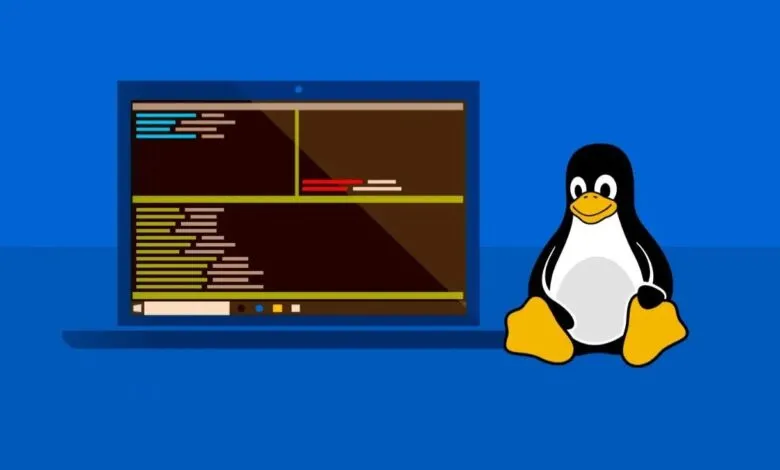
A key highlight is the improved support for Linux containers. Developers can now create and manage these containers natively within Windows, removing a major friction point for those who rely on Linux-based workflows. The experimental Intelligent Terminal also promises to bring smarter command-line interactions, adapting to user behavior to boost productivity.
For a company that once viewed Linux as a competitor, this latest move signals a mature, pragmatic approach. By lowering the barriers between Windows and Linux, Microsoft is positioning its flagship OS not just as a productivity tool, but as a legitimate home for modern, cross-platform development.
(Source: The Verge)