Airlines Brace for Potential Oil Crisis
▼ Summary
– A war and blockade in the Strait of Hormuz have driven up oil prices, prompting governments to use reserves and raising concerns about the severity of the economic impact.
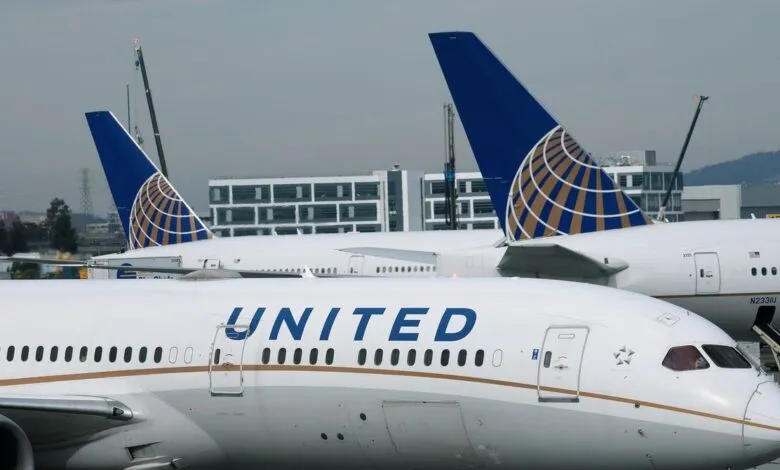
– United Airlines is preparing for a prolonged crisis, planning for oil to reach $175/barrel and not fall to $100 until late 2027, and will cut 5% of its flight schedule.
– High jet fuel prices, which have doubled, threaten airline profitability as fuel constitutes a major operating cost, leading to significant financial strain like American Airlines’ extra $400 million in fuel spending.
– Analysts warn the energy shock, combined with a weak job market and trade instability, could push the global economy toward a recession.
– Prolonged uncertainty from the crisis is particularly damaging to airlines, as their operations are highly sensitive to fuel costs and require stability for planning.
A major geopolitical conflict has triggered a sharp rise in oil prices, placing immense pressure on industries that depend heavily on fuel. The aviation sector, where jet fuel represents up to a third of operating costs, is on the front lines of this economic disruption. With prices doubling in recent weeks, airline executives are now making difficult strategic decisions to navigate a potential prolonged crisis.
United Airlines CEO Scott Kirby recently outlined his company’s contingency plan in an internal memo, forecasting that oil could reach $175 per barrel and may not retreat to $100 until late 2027. In response, United intends to reduce its planned flight schedule by roughly five percent during the second and third quarters. The cuts will focus on off-peak travel times, including overnight red-eye flights and less popular travel days like Tuesdays, Wednesdays, and Saturdays. Kirby acknowledged the situation might not become that severe, but emphasized there is little downside to preparing for a worst-case scenario.
These adjustments signal broader concerns for the global economy. Jason Miller, a supply chain management professor at Michigan State University, notes that such a sustained price shock would be “incredibly unwelcome news to everyone who is not in the oil refining business.” Airlines act as a leading economic indicator because their operations are exceptionally sensitive to refined petroleum costs. Miller’s research shows air transportation is second only to asphalt paving in the share of non-labor expenses devoted to these products.
The timing of this energy shock exacerbates existing economic vulnerabilities, including a sluggish job market and instability from shifting trade policies. Miller points out that the conflict has persisted longer than many anticipated, leading to extended uncertainty. Kirby’s memo reflects a sober assessment that the critical Strait of Hormuz shipping lane may not reopen quickly.
The financial impact is already being felt across the industry. American Airlines CEO Robert Isom reported an extra $400 million in fuel costs last week alone. While airlines have recently seen robust booking revenue, analysts question whether this reflects genuine consumer enthusiasm or travelers rushing to secure tickets before airfare prices climb higher. Isom stated that carriers must remain nimble, adjusting capacity to keep supply and demand in balance if oil prices stay high.
The ultimate severity for airlines and passengers hinges on both the duration of elevated prices and the persistence of market uncertainty. Ahmed Abdelghany, an airline operations professor at Embry-Riddle Aeronautical University, warns that prolonged ambiguity adds operational complexity. The longer the crisis continues, the more problematic it becomes for carriers to maintain stability and plan effectively.
(Source: Wired)