Zoox robotaxis without steering wheels now charge for rides

▼ Summary
– Zoox received a temporary exemption from NHTSA to deploy up to 2,500 robotaxis annually for two years.
– The exemption allows Zoox to operate vehicles without traditional controls like steering wheels, pedals, and mirrors.
– Zoox’s vehicles are designed for passengers with two bench seats and sliding doors, lacking driver controls.
– The NHTSA decision permits Zoox to charge for rides in its boxy, steering-wheel-less vehicles.
– The Amazon-owned company is the first to gain U.S. approval for paid robotaxis with no human controls.
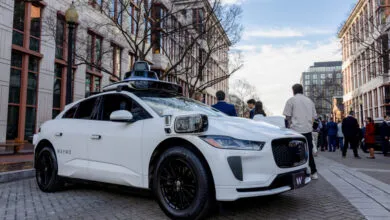
Zoox has officially received the green light to begin charging passengers for rides in its distinctive, steering-wheel-free robotaxis. The National Highway Traffic Safety Administration (NHTSA) revealed on Thursday that it has granted a temporary exemption to the Amazon-owned autonomous vehicle company. This approval permits Zoox to deploy as many as 2,500 vehicles without traditional human controls each year for the next two years, a development first reported by Reuters.
The NHTSA’s decision effectively waives federal safety regulations that normally require vehicles to be equipped with a steering wheel, pedals, windshield defrosting systems, and mirrors. Instead, Zoox’s purpose-built shuttles are designed entirely around the passenger experience. Their interiors feature two bench seats and sliding doors, with no provision for a driver’s seat or manual controls. Until now, the company could only test these vehicles without charging fares, but this exemption marks a major step toward commercial deployment. The agency is using a fast-track process to cut regulatory red tape while maintaining safety standards, allowing Zoox to scale its operations in Las Vegas and potentially other cities.
(Source: The Verge)