Waymo doubles lobbying spend in robotaxi fight with Uber

▼ Summary
– Waymo spent over $1 million on federal lobbying between April and June, more than double its spending a year earlier, nearing Uber’s level and exceeding rivals like Zoox and Tesla.
– Waymo advocates for a faster path to fully driverless commercial services, while Uber pushes for a staggered rollout with robotaxis operating alongside human drivers.
– Their conflicting legislative strategies have worsened their relationship, with Waymo exploring an exit from its Uber partnership in Austin and Atlanta.
– Both companies increased lobbying in US states and Washington, DC, after expansion stalled in markets like New York and Chicago.
– Politicians and labor groups have warned that robotaxi technology could displace drivers and undercut existing services, prompting the heightened lobbying pushback.
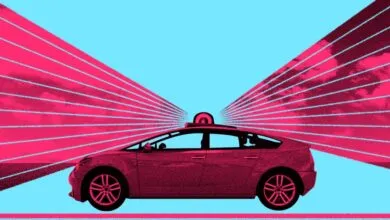
Waymo has dramatically escalated its federal lobbying efforts, spending over $1 million from April through June as it pushes regulators to fast-track approval for fully driverless ride-hailing, a move that intensifies its competitive clash with Uber over the future of autonomous vehicles.
The Alphabet-owned autonomous vehicle company more than doubled its lobbying expenditure compared to the same quarter last year, according to recent disclosure filings. This surge positions Waymo’s spending nearly on par with Uber’s, while significantly outpacing other industry players such as Amazon’s Zoox and Tesla.
The increased political activity highlights a fundamental split between the two ride-hailing giants. Waymo is championing a direct path to commercial driverless operations, whereas Uber advocates for a phased approach where robotaxis work alongside human drivers before any full transition.
This divergence in legislative priorities has strained their business relationship. Reports from last month indicate Waymo is actively considering whether to end its partnership with Uber in Austin and Atlanta, two cities where the ride-hailing company currently manages Waymo’s services.
“Both firms have ramped up their lobbying and are now colliding with each other, which appears to be accelerating their split,” said Walter Piecyk, an analyst at LightShed Partners.
The companies are intensifying their advocacy across multiple state capitals and in Washington, DC, following regulatory resistance that halted their expansion into major markets like New York and Chicago. Politicians and labor unions have raised concerns that widespread adoption of autonomous taxis could displace professional drivers and disrupt existing transportation networks.
(Source: Ars Technica)