Camera Support Could Be the Boost Matter Needs
▼ Summary
– Matter 1.5 now supports all types of video cameras, including doorbells and baby monitors, along with garage doors and energy management devices.
– Cameras in Matter will enable interoperability across platforms like Apple Home and Amazon Alexa, improving reliability through local WiFi or ethernet connections.
– Matter-certified cameras support live streaming, two-way talk, and recording, but storage and AI features are left to manufacturers and platforms.
– Major platforms like Amazon’s Alexa and Google Home have been slow to adopt Matter cameras, with no confirmed timelines for support.
– The standard is backward compatible, allowing existing cameras to potentially update, but implementation depends on manufacturers and platform adoption.
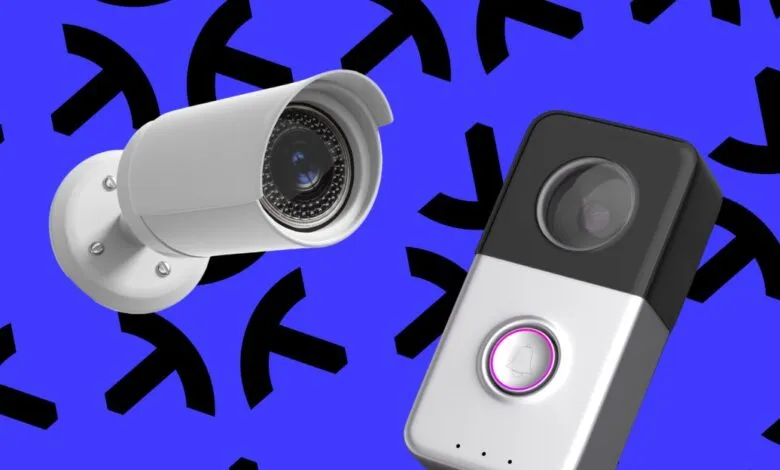
The long-awaited integration of security cameras into the Matter smart home standard has officially arrived with the release of Matter 1.5. This major update promises to transform one of the most fragmented categories of smart devices by enabling interoperability across different brands and platforms. For the first time, users should be able to add any certified camera, whether it’s an indoor model, outdoor camera, video doorbell, or pet monitor, to their preferred smart home system like Apple Home, Amazon Alexa, or Google Home. Many existing cameras may gain this functionality through a simple over-the-air firmware update, bringing a new level of convenience and flexibility to home monitoring.
Cameras have traditionally operated within closed ecosystems, making them some of the least cooperative devices in a connected home. Their inclusion in Matter represents a significant milestone. These devices will communicate using Matter-over-WiFi or ethernet, which are local protocols. This approach is expected to enhance reliability, reduce latency, and improve performance for tasks like streaming live footage to a smart display or using camera-detected motion to activate other automated devices.
The capabilities for Matter-certified cameras are comprehensive. They will support live video and audio streaming, two-way communication, and both local and remote access. Users can expect features like pan-tilt-zoom controls, the ability to set specific detection and privacy zones, and options for both continuous and event-based recording. The standard allows footage to be stored either locally or using cloud services, though Matter itself does not manage the storage solutions. This means manufacturers could still require cloud subscriptions for accessing recorded video.
All video streams will be encrypted during transmission, with optional end-to-end encryption available for ecosystems that choose to implement it. The standard accommodates various streaming technologies camera companies currently use, including WebRTC, and supports access through STUN and TURN servers. Interestingly, Matter does not impose limits on video resolution or advanced features like AI-powered object detection. This allows brands to distinguish their products through unique enhancements while maintaining core interoperability.
Adoption timelines will vary by manufacturer. Aqara has announced plans to introduce Matter-compatible cameras in the first half of next year and may update some existing models. Eve, however, stated it won’t be updating its current Eve Cam and Eve Outdoor Cam models due to technical limitations, though new Matter-enabled versions are planned. The pace of adoption will heavily depend on when major platforms add camera support. While Apple is expected to integrate Matter cameras with its HomeKit Secure Video platform, Amazon’s Ring and Google’s Nest have been non-committal about their timelines.
Beyond cameras, Matter 1.5 introduces several other significant additions. Garage door controllers are now officially part of the specification under a new “closures” category that also covers shades, drapes, awnings, and gates. The update also brings sophisticated energy management capabilities, including a new electrical energy tariff device type that allows utilities to share real-time pricing and grid conditions with home systems. This enables smarter coordination of energy usage across devices like EV chargers, dishwashers, and pool pumps. Support for bi-directional EV charging is also included, allowing electric vehicles to power homes, though certified products for this functionality aren’t yet available.
For gardeners, Matter now supports soil sensors that measure moisture and temperature, enabling integration with smart irrigation systems. While the specification is available to developers immediately, consumers should expect a gradual rollout of compatible products over the coming months and years. The inclusion of cameras, combined with growing support from major brands, could provide the momentum Matter needs to become the universal language of the smart home.
(Source: The Verge)