Microsoft Scales Back Diversity Initiatives
▼ Summary
– Microsoft has ceased publishing its annual diversity and inclusion report and removed diversity as a companywide core priority from employee performance reviews.
– The company internally framed the performance review changes as a simplification, replacing specific diversity and security questions with a focus on general results and goals.
– An employee criticizes the previous diversity review requirement as “insincere and performative,” suggesting the company’s commitment was shallow.
– Microsoft is testing an AI personal assistant called Cosio with some executives, a project from LinkedIn described as a “next-generation digital worker.”
– CEO Satya Nadella warned that the energy consumption of AI data centers could turn public opinion against the tech industry unless it demonstrates broad economic value.
For over ten years, Microsoft has consistently shared detailed statistics on the gender, racial, and ethnic composition of its workforce. The company elevated this commitment in 2019 by launching an annual diversity and inclusion report and integrating related goals into mandatory employee performance reviews. Now, in a significant policy shift, Microsoft has discontinued its comprehensive diversity report and removed diversity and inclusion as a companywide core priority for performance evaluations. This move follows an executive order from former President Donald Trump aimed at curtailing workplace diversity, equity, and inclusion programs.
The decision to stop publishing the annual report was confirmed last week. According to Frank Shaw, Microsoft’s chief communications officer, the company is shifting toward more dynamic formats like stories and videos to demonstrate inclusion. He emphasized that the company’s fundamental mission and cultural values remain intact. Internally, however, the changes run deeper. Sources indicate that last month, Microsoft revised its employee performance review system, known as Connect, eliminating the requirement for staff to detail their contributions to security and diversity.
Previously, employees had to answer specific questions about their impact on fostering a more diverse, inclusive, and secure environment. These prompts have been replaced with a simplified form asking for general reflections on results and future goals. The company communicated these adjustments internally as a simplification effort, noting that “core priorities are now simply called goals,” with security retaining a dedicated focus. Notably, internal human resources documentation has also shifted terminology, now emphasizing “inclusion” over “diversity.”
Reactions among employees are mixed. One anonymous supporter of DEI initiatives described the original performance review mandate as “completely insincere and performative,” viewing its removal as evidence of a shallow corporate commitment. Others were less surprised, pointing to broader political currents. Some internally saw Elon Musk’s appearance at Microsoft’s Build conference earlier this year as a sign of the company aligning with certain political agendas. That appearance, which caused significant internal tension, was part of a push to integrate Musk’s Grok AI model into Azure, a partnership that later faced scrutiny over the AI’s output and safety.
These changes make it more challenging to externally assess Microsoft’s commitment to its stated values. While the company continues to publish an “Inside Inclusion” newsletter and “Code of Us” stories, these are not equivalent to the accountability provided by a detailed annual report or shareholder disclosures.
In other company news, Microsoft has been experimenting with an advanced AI assistant called Cosio, developed by its LinkedIn team. Described internally as a “next-generation digital worker,” Cosio was tested with executives like CTO Kevin Scott, appearing in the corporate directory as a direct report. The project, part of the Agent 365 initiative, was slated for a broader rollout but now appears shelved. A company spokesperson stated it was a “helpful experiment” informing future customer features.
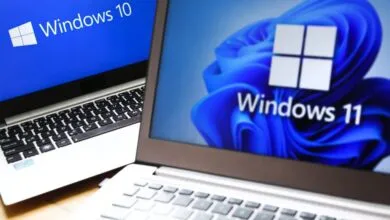
On the product front, industry data suggests approximately 500 million PCs are delaying an upgrade to Windows 11, with half held back by the operating system’s strict hardware requirements. A recent Windows 11 update intended to improve dark mode ironically introduced a bug causing File Explorer to flash white upon opening, a flaw Microsoft is currently addressing.
Looking ahead, CEO Satya Nadella recently commented on the substantial energy demands of AI data centers, stating the tech industry must “earn the social permission to consume energy.” Meanwhile, the company is preparing a redesign for Xbox Cloud Gaming, moving some Xbox manufacturing to Vietnam, and even introducing a new fictional company named “Zava” for AI demos, potentially phasing out long-standing placeholder names like Contoso and Fabrikam.
(Source: The Verge)