John Ternus’s First Major Challenge: AI
▼ Summary
– Apple has announced that hardware executive John Ternus will succeed Tim Cook as CEO, with the official announcement making no mention of AI.
– Apple has developed a reputation for lagging behind competitors like Google and Microsoft in developing and integrating advanced AI features.
– The company has repeatedly delayed promised AI upgrades for Siri, with features announced years ago still not released to users.
– Apple’s current AI strategy involves partnerships, including a deal with Google to use Gemini technology to power future foundation models.
– New CEO John Ternus, known for maintaining products over innovation, faces the challenge of advancing Apple’s AI systems amid intense competition.
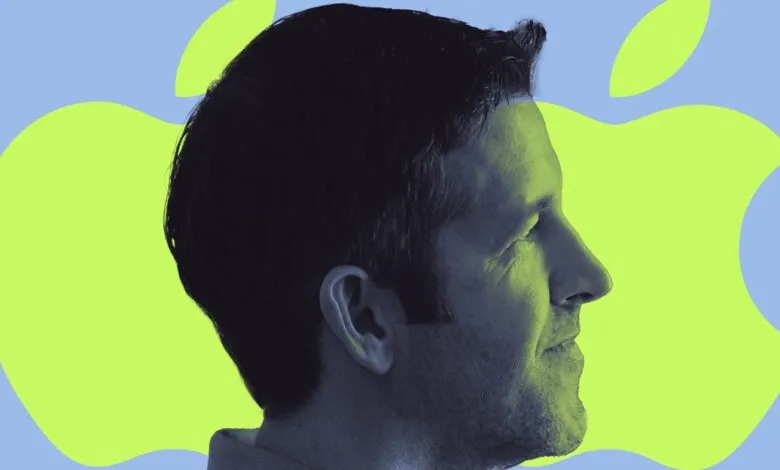
The most significant challenge awaiting Apple’s next CEO is not found in a product roadmap or a quarterly report. It is the pervasive, defining technology of this era: artificial intelligence. John Ternus, the company’s longtime hardware engineering chief, is set to assume the chief executive role this September. His appointment, notable for being the first from the hardware side in three decades, was announced without a single mention of AI. This omission speaks volumes, arriving after over a year of unfulfilled promises regarding Apple’s intelligent assistant ambitions.
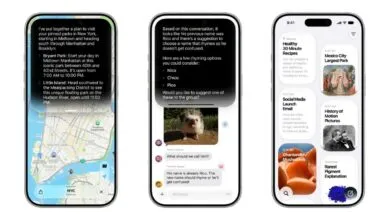
Apple’s position in the AI race is widely perceived as one of playing catch-up. Its Siri assistant lags behind offerings from Google, Microsoft, OpenAI, and Anthropic, both in capability and underlying technology. While competitors aggressively integrate agentic AI into their operating systems, Apple’s attempts, such as notification summaries, have sometimes been met with criticism. The company’s strategy has involved leaning on partners, integrating ChatGPT for certain features and, as of last January, finalizing a major deal with Google to license its Gemini technology. This partnership, potentially costing Apple $1 billion annually, was itself delayed, missing an initial target for completion last year.
However, simply adding AI is not a guaranteed path to success. Microsoft faced significant user backlash for its pervasive integration of Copilot across Windows 11, a move that ironically drove some customers toward Apple’s less AI-saturated MacBook Neo. This presents a potential opportunity for Ternus. His deep institutional knowledge, including experience under Steve Jobs, could guide Apple to develop AI systems in its signature style: thoughtful, well-designed, and elegantly simple. The goal would be to advance meaningfully without alienating users.
The core issue extends beyond integration philosophy to basic functionality. Apple has a celebrated history of entering product categories late with a winning entry, but in AI, it has largely offered delays. At last year’s WWDC, executives highlighted Apple Intelligence and promised personalized Siri features, stating a rollout would occur “over the course of the next year.” Nearly two years after ads showcased unreleased Siri capabilities, and with WWDC 2026 approaching, there is still no official launch date for a revamped assistant. The repeated deferrals have damaged credibility.
All eyes are now on the timeline for a Gemini-powered Siri. Will it debut at this year’s developer conference, or later, after Ternus has formally taken control? Google’s leadership has been circumspect, with CEO Sundar Pichai only expressing general optimism about powering Apple’s future models. Ternus, known more for product stewardship than radical innovation, faces a monumental task. He must guide the world’s most valuable company not only to close a widening gap with rivals moving at breakneck speed but to ultimately define a leading role for Apple in the new AI era.
(Source: The Verge)