▼ Summary
– Parker, a startup offering corporate credit cards and banking for e-commerce businesses, has filed for Chapter 7 bankruptcy and is widely reported to have shut down.
– The company was part of Y Combinator’s winter 2019 cohort and raised over $200 million in total funding, including a $125 million lending arrangement.
– Parker’s credit card partner, Patriot Bank, reportedly sent a message to customers confirming the shutdown, and competitors have sought to attract its former customers.
– The bankruptcy filing lists assets and liabilities each between $50 million and $100 million, with 100 to 199 creditors.
– Fintech consultant Jason Mikula reported that failed acquisition talks led to the abrupt shutdown, raising questions about oversight by banking partners Piermont and Patriot.
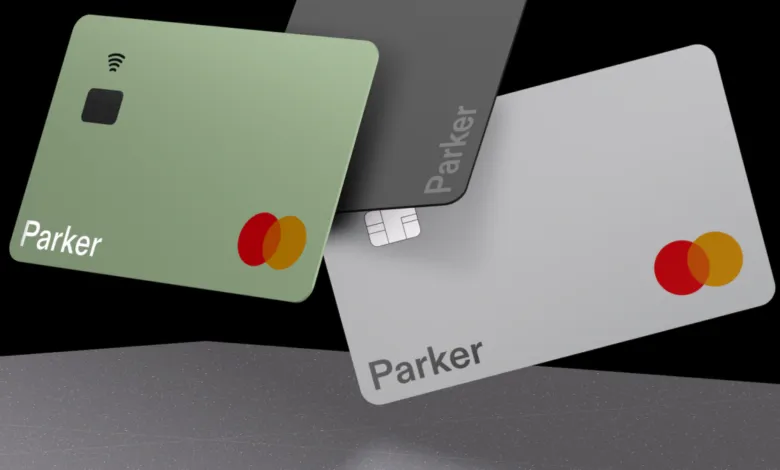
Fintech startup Parker, which provided corporate credit cards and banking solutions tailored to e-commerce businesses, has filed for Chapter 7 bankruptcy protection and is widely reported to have ceased operations.
The company, originally part of Y Combinator’s winter 2019 cohort, secured its Series A funding from Valar Ventures. Parker emerged from stealth mode in 2023, promoting a corporate credit card specifically engineered for e-commerce firms. At launch, co-founder and CEO Yacine Sibous described the startup’s “secret sauce” as an underwriting process that could accurately evaluate e-commerce cash flows. “We imagined building better financial products for e-commerce founders with the mission of increasing the number of financially independent people,” Sibous told TechCrunch at the time.
Despite the bankruptcy filing, Parker’s website remains active and makes no mention of a shutdown. Instead, a prominent banner highlights that the company has raised over $200 million in total funding, including a $125 million lending arrangement. However, multiple social media posts indicate that Parker’s credit card partner, Patriot Bank, sent a message to customers this week confirming the closure. Competitors have quickly moved to capitalize on the news, posting offers aimed at attracting former Parker clients.
The company’s troubles are underscored by its May 7 filing for Chapter 7 bankruptcy protection. According to the filing, Parker holds between $50 million and $100 million in assets, with liabilities in the same range, and lists between 100 and 199 creditors. The Chapter 7 process typically involves liquidating assets to pay off debts, signaling a complete end to operations.
Fintech consultant Jason Mikula recently reported that Parker had been in talks for a potential acquisition, but those negotiations fell through, leading to the abrupt shutdown. Mikula noted that this has “left small business customers in a tough spot” and also raised “questions about [banking partner] Piermont’s and Patriot’s oversight of the program.”
TechCrunch reached out to Parker for comment but did not receive an immediate response. CEO Yacine Sibous has not directly addressed the shutdown or bankruptcy on LinkedIn. In a recent post, he repeated the $200 million funding figure and mentioned that the company had reached $65 million in revenue. However, he also reflected on lessons learned, stating that if he started over, he would “avoid over-hiring, reactive decisions, and doomsayers.”
(Source: TechCrunch)