Judge Rules Apple Can Delist Apps “With or Without Cause”
▼ Summary
– A federal judge dismissed the lawsuit from the music app Musi against Apple and sanctioned its lawyers for fabricating facts.
– Musi’s service operated by streaming music from YouTube without direct licensing deals with copyright holders.
– Apple removed Musi from the App Store in 2024, and the judge ruled Apple’s developer agreement allows removal “with or without cause.”
– The judge specifically found Apple did not breach its contract, as it provided the required notice before delisting the app.
– Musi had argued Apple’s removal was based on unsubstantiated intellectual property claims from YouTube.
A recent federal court decision has delivered a significant ruling on Apple’s authority over its App Store, affirming the company’s broad power to remove applications. The case centered on the music streaming service Musi, which was delisted from the platform in 2024. The judge’s dismissal of Musi’s lawsuit reinforces the contractual terms that grant Apple considerable discretion in managing its digital marketplace.
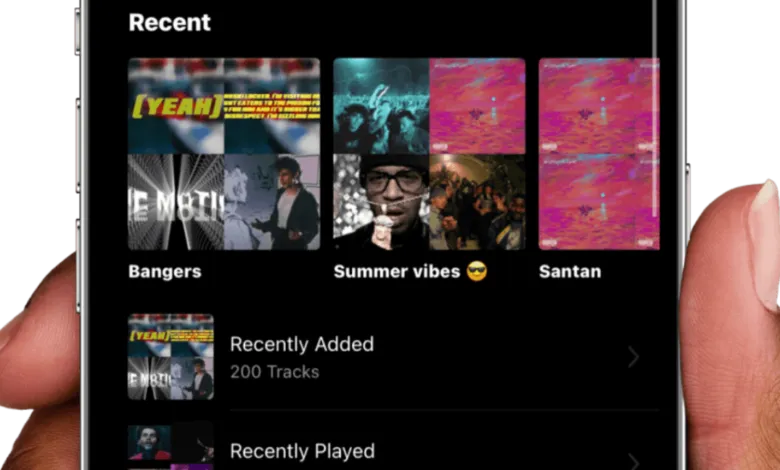
The app in question, Musi, operated by streaming audio from YouTube rather than securing direct licensing agreements with record labels or artists. It presented this functionality as enhancing the user experience through its own technology while displaying advertisements, which users could pay a one-time fee to remove. Apple removed Musi from the App Store after receiving intellectual property complaints, a move the app’s developers challenged in court. They argued the removal was based on unsubstantiated claims and violated Apple’s own Developer Program License Agreement.
However, U.S. District Judge Eumi Lee ruled decisively in Apple’s favor, issuing two rulings that dismissed the case with prejudice and imposed sanctions on Musi’s legal team for factual misrepresentations. The core of the judgment rested on the explicit language within the developer contract. Judge Lee pointed to a clause stating Apple may cease marketing and allowing downloads of an app “at any time, with or without cause,” provided it gives notice. Since Apple provided the required notification, the court found its actions did not breach the agreement.
Musi attempted to counter this by citing other sections of the agreement, including one that allows Apple to stop offering an app if it “reasonably believes” the software infringes intellectual property rights. The court determined that this specific provision did not limit the broader, unconditional right to remove an app for any reason or no reason at all. This interpretation solidifies Apple’s contractual authority to delist apps, underscoring the extensive control platform owners maintain over software distribution through their stores. The outcome serves as a stark reminder to developers about the terms they agree to when publishing on major app platforms.
(Source: Ars Technica)