Google’s Android laptops, called Googlebooks, arrive this year
▼ Summary
– Google is shifting focus from Chromebooks to a new line of Android-powered laptops called Googlebooks, which will ship later this year.
– Googlebooks are built with Gemini Intelligence, featuring a “Magic Pointer” cursor that activates a full-screen AI experience by wiggling.
– The Magic Pointer allows Gemini to see the screen, make contextual suggestions, and pull data from multiple apps.
– Demos show the Magic Pointer can combine images with Nano Banana or suggest calendar appointments by pointing at dates in emails.
– The article questions the utility and discoverability of these AI features, noting that similar features on phones have not been game-changing.
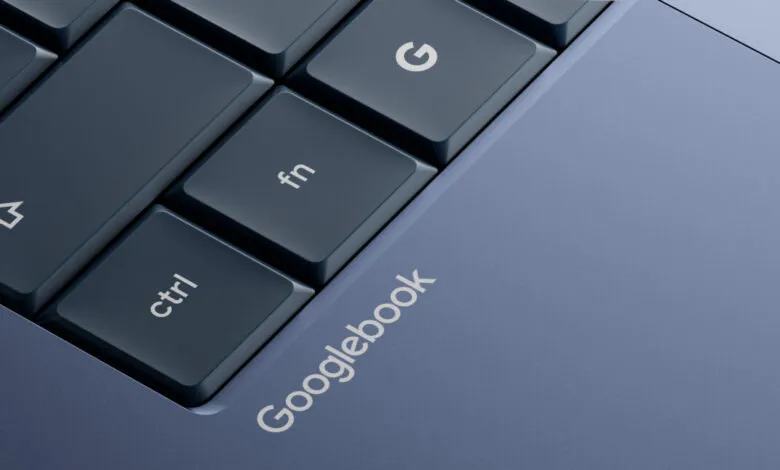
Google first entered the laptop market back in 2011 with Chromebooks, a web-first approach that found steady traction in education and enterprise settings. While the company insists Chromebooks aren’t disappearing, its attention has clearly turned elsewhere. Arriving later this year is a new line of Android-powered laptops that Google is calling Googlebooks. If you thought previous Google devices were heavy on Gemini integration, these machines take it to another level entirely.
Google says it built Googlebooks from the ground up around Gemini Intelligence, and the experience starts with the cursor itself. Dubbed the Magic Pointer, this feature activates a full-screen Gemini interface simply by wiggling the cursor back and forth. Once triggered, the AI scans whatever is on your screen, offering contextual suggestions and pulling data across multiple apps simultaneously.
What exactly can you accomplish with this? The details remain somewhat hazy. Google’s demonstrations show Magic Pointer selecting multiple images and instantly merging them with Nano Banana. Another example lets you schedule a calendar appointment by pointing the cursor at a date mentioned in an email. Magic Cue, a feature that debuted on Pixel phones last year, will also be baked into Googlebooks. It recommends actions and surfaces relevant information based on context from messages, emails, and other on-screen content.
There’s a clear challenge here around discoverability for AI features, and it’s far from obvious how much genuinely useful work generative AI can do with screen context. Microsoft’s best attempt was Recall, and the reception was disastrous. So far, Google’s own Magic Cue on phones has failed to impress,it rarely appears at all. Whether a laptop form factor can unlock something more meaningful remains an open question.
(Source: Ars Technica)