Roomba’s New Owner: Who Is Picea Robotics?
▼ Summary
– iRobot, the company behind Roomba, has filed for Chapter 11 bankruptcy and will be fully acquired by its contract manufacturer, Picea Robotics.
– Picea will assume iRobot’s significant debt, waiving over $350 million in loans and manufacturing fees as part of the restructuring deal.
– The author criticizes iRobot’s recent Roomba models as generic and underwhelming, sharing little with the original designs and having significant performance issues.
– Picea is an established manufacturer with its own 3i brand of robot vacuums, which the author found impressive, particularly a model with advanced water-recycling and cleaning technology.
– The acquisition highlights the growing dominance of Chinese-owned brands in the robot vacuum market, though the future direction of the Roomba brand remains uncertain.
The landscape of home robotics is shifting dramatically with the news that iRobot, the company behind the iconic Roomba vacuum, has filed for Chapter 11 bankruptcy and will be acquired by its contract manufacturer, Picea Robotics. This Chinese-based firm recently took over a $190 million loan from iRobot and, as part of the restructuring agreement, will forgive that debt along with an additional $161.5 million owed for manufacturing services. In exchange, Picea Robotics will assume complete ownership of the entire iRobot enterprise.
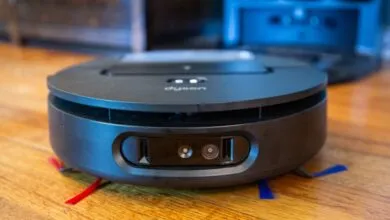
This development marks a significant turning point for a brand that once defined the robotic vacuum category. The newer Roomba models that iRobot had heavily invested in bore little resemblance to their pioneering predecessors. In practice, these devices often resembled many other mid-range competitors, essentially generic, Lidar-based machines with the Roomba branding and minor design adjustments applied. Hands-on testing of models like the 505 and 205 revealed notable performance issues and a general sense of being underwhelmed by their capabilities.
Picea Robotics operates as part of the larger Picea Corp., maintaining research, development, and manufacturing sites in both China and Vietnam. The corporation asserts it has produced and sold over twenty million robotic vacuum cleaners globally. A subsidiary named Picea Motion specializes in developing harmonic drives, which are crucial components for various types of robotics. Notably, Picea itself entered the consumer market a few years ago with its own line of robot vacuums under the 3i brand. One of these models even incorporated a dust-compaction system strikingly similar to that found in the Roomba 205.
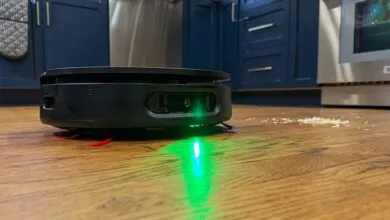
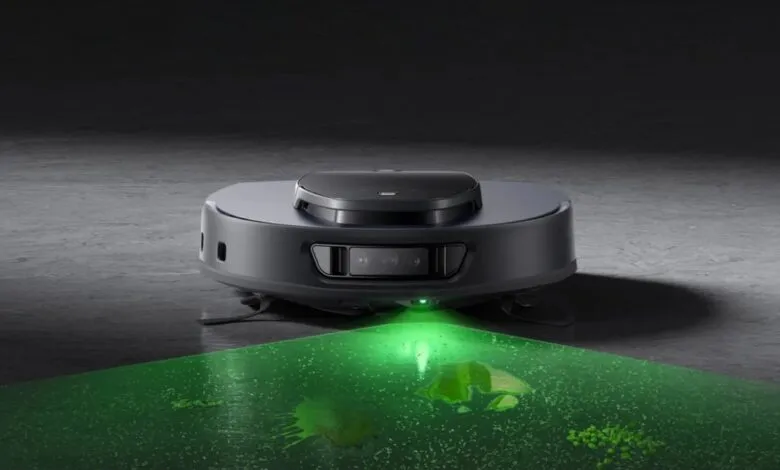
Independent evaluations of the 3i product line, including the flagship S10 Ultra model, show a technologically advanced machine. This particular vacuum boasts an innovative water-recycling system that employs a dehumidifier to maintain a full clean-water tank. It also utilizes intelligent dirt-scanning technology, where a green light identifies stained areas on floors, prompting the device to return for multiple cleaning passes, a feature comparable to the latest offerings from competitors like Dyson.
While iRobot has publicly stated its intention to continue normal operations post-bankruptcy, the long-term future of the Roomba brand under Picea’s stewardship remains uncertain. What is unequivocally clear, however, is the accelerating consolidation of the robot vacuum market under the control of Chinese-owned brands and manufacturing giants. This acquisition is a potent symbol of that ongoing industry transformation.
(Source: The Verge)