Roomba’s Rise and Fall: How the Home Robot Pioneer Lost Its Future
▼ Summary
– iRobot, the pioneering company behind the popular Roomba robot vacuum, filed for bankruptcy and will transfer control to its Chinese manufacturing partner, Picea Robotics.
– Former CEO Colin Angle attributes the company’s failure primarily to government regulators blocking Amazon’s 2023 acquisition, which he claims stifled innovation and created a damaging corporate limbo.
– The company, founded by MIT roboticists in 1990, initially focused on military and space robotics before successfully launching the Roomba in 2002, which became a household name.
– iRobot’s market dominance eroded as competitors, particularly Chinese “fast followers” like Roborock and Ecovacs, entered the market with lower-cost alternatives and features like combined mopping and vacuuming.
– While critics argue iRobot failed to innovate quickly enough, the company was also ahead of its time with a vision for advanced, camera-based home robots, but struggled to balance this vision with market demands and cost.
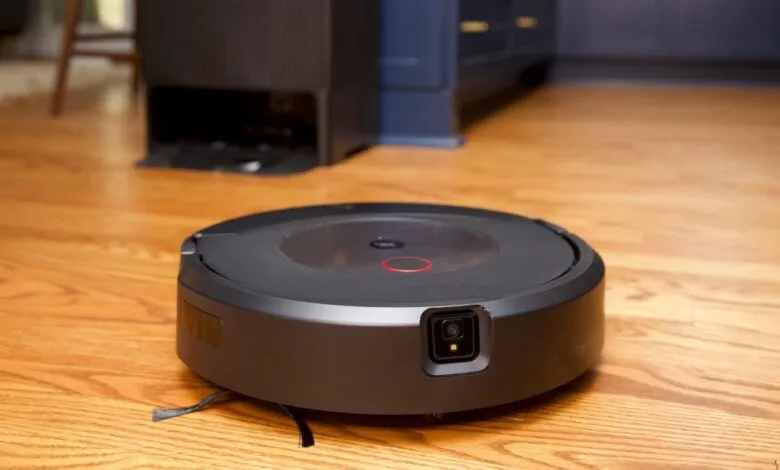
For countless people, the Roomba robot vacuum from iRobot served as their initial introduction to a home robot. The promise of a small, automated device handling a tedious chore felt like a step into a futuristic world. While early models required significant oversight, they offered a compelling glimpse of what was to come in automated home cleaning. This pioneering spirit made “Roomba” a household name, synonymous with the entire category of robot vacuums. Yet, the very company that created this market recently filed for bankruptcy, ceding control to a manufacturing partner and leaving many to wonder how such an iconic brand could falter.
The story begins with a group of MIT roboticists who founded iRobot in 1990. Their early work involved sophisticated government and military contracts, developing robots for space exploration, bomb disposal, and search-and-rescue missions. This foundational experience in navigating complex environments was crucial. However, the dream of a practical home robot remained. It wasn’t until 2002 that the company launched the original Roomba. This simple, bump-and-roll device captured the public’s imagination, despite its random navigation. The company’s rapid growth was fueled by its early market dominance and a robust patent portfolio, particularly for its effective dual-roller brush system. iRobot went public and expanded its lineup, but also began pursuing side projects in lawn mowing and air purification that ultimately diverted focus and resources without yielding commercial success.
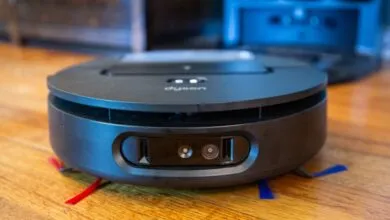
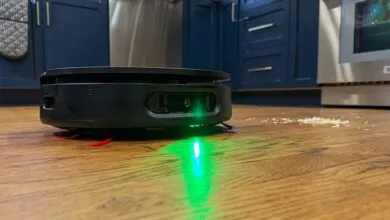
As iRobot explored these ventures, a wave of competitors, primarily from China, entered the market. Companies like Ecovacs and Roborock began as “fast followers,” but quickly evolved into serious innovators. They leveraged advantages such as significant capital, government support, and access to a massive domestic market. iRobot initially relied on its patents to fend off competition, but as those protections expired and consumer preferences shifted, its market share began a steep decline. Critics argue the company was slow to adopt popular features like combined mopping and vacuuming and hesitated to transition from its camera-based navigation to the laser-based lidar systems competitors used.
The former CEO, Colin Angle, offers a different perspective. He contends that government intervention, specifically regulators blocking Amazon’s acquisition of iRobot, was the primary cause of the company’s downfall. He believes this created a prolonged period of uncertainty that crippled iRobot’s operations and scared away potential investors. Angle also staunchly defends the company’s technological choices, arguing that camera-based navigation is superior for creating intelligent robots that truly understand a home’s layout, even if lidar offers a simpler, cheaper solution for basic models.
In its final chapter, iRobot brought in new leadership, made drastic cuts, and finally launched a new product line featuring the very lidar navigation and mopping combinations it had long resisted. This strategic pivot, however, proved too little and too late. The new models failed to reignite consumer interest or stem the financial bleeding, leading directly to the bankruptcy filing. The outcome represents a complex convergence of factors: intense global competition, debated technological roadmaps, shifting consumer demands, and significant regulatory hurdles.
Ultimately, iRobot’s legacy is one of a visionary pioneer that helped define an industry. The company was captivated by an ambitious, long-term vision for home robotics, a vision that still feels relevant today. Its struggle highlights the difficult balance between pioneering advanced technology and delivering the practical, affordable products the mass market desires. While the Roomba name may endure, the company that created it serves as a poignant case study in the volatile journey from market invention to market survival.
(Source: The Verge)