Microsoft open-sources earliest known DOS source code
▼ Summary
– Microsoft released the earliest known DOS source code, including the 86-DOS 1.00 kernel and utilities like CHKDSK.
– The source code predates MS-DOS branding and includes development snapshots of PC-DOS 1.00.
– Programmer Tim Paterson originally created 86-DOS for an Intel 8086-based computer kit.
– Microsoft licensed 86-DOS, hired Paterson, and later bought the rights outright to supply an OS for the IBM PC.
– Microsoft licensed the OS to IBM as PC-DOS while selling its own version, MS-DOS, which became dominant with IBM PC clones.
Several times over the past two decades, Microsoft has made source code available for the original MS-DOS operating system that launched its long reign over consumer PCs. This week, the company has gone back even further, unveiling “the earliest DOS source code discovered to date” alongside developer notes and documentation.
This newly released source code is so old that it predates the MS-DOS name entirely. It includes sources for the 86-DOS 1.00 kernel, multiple development snapshots of the PC-DOS 1.00 kernel, and familiar utilities like CHKDSK, according to Microsoft’s Stacey Haffner and Scott Hanselman in their announcement.
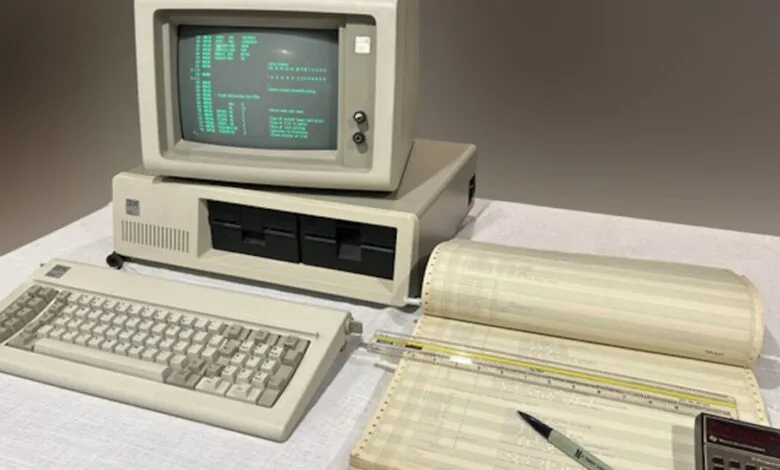
To provide some background, here is a quick timeline of what evolved into MS-DOS. Programmer Tim Paterson originally built 86-DOS (first called QDOS, short for “quick and dirty operating system”) for an Intel 8086-based computer kit from Seattle Computer Products. Microsoft, needing an operating system for the still-unfinished IBM PC 5150, licensed 86-DOS and brought Paterson on board to keep developing it. The company later acquired full rights to 86-DOS. Microsoft then licensed this OS to IBM as PC-DOS, while keeping the ability to sell it elsewhere. The version Microsoft marketed was called MS-DOS, and the explosion of third-party IBM PC clones throughout the 1980s and 1990s made it the version most people ultimately used.
(Source: Ars Technica)