GoPro Acquired, Expands Into Defense and Aerospace
▼ Summary
– GoPro has been acquired by Starman Holding for $285 million in a deal characterized as a merger.
– YouTuber Markiplier became the largest individual shareholder by purchasing an 8.5 percent stake without prior disclosure.
– CEO Nick Woodman rebranded GoPro as an imaging and optical solutions company focusing on national security and AI infrastructure.
– Starman Holding owns various consumer brands like Incipio and previously faced scrutiny over political donations and government contracts.
– The acquisition marks a strategic pivot for GoPro toward defense and aerospace consulting amid its previous financial struggles.
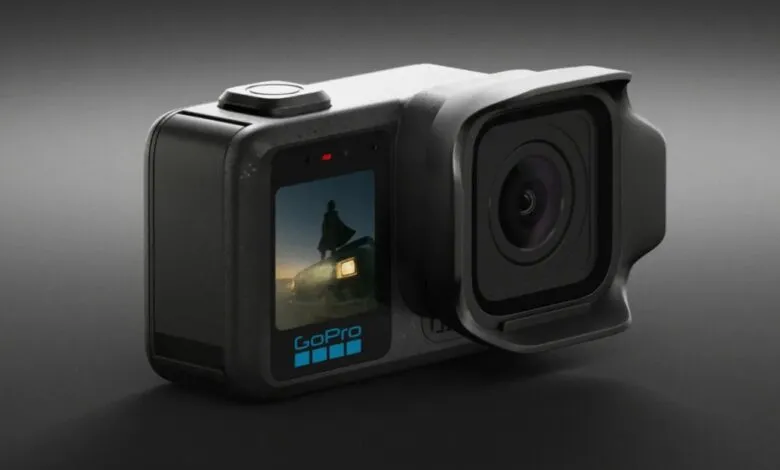
GoPro has undergone a dramatic transformation, shifting from a pure-play consumer electronics brand to a company with significant defense and aerospace ambitions. The acquisition, led by Starman Holding, marks a pivotal moment for the action camera pioneer, which was purchased for $285 million in cash. This deal redefines GoPro’s market position, moving it away from its traditional identity as a maker of handheld video gear toward a broader industrial and security-focused enterprise.
The transaction was facilitated by Starman Holding, a conglomerate that operates under various consumer-facing names such as Incipio, Griffin, and Onward Brands. While Starman is widely recognized for its phone accessories and digital gadgets, its portfolio extends into complex supply chains and government contracting. The acquisition comes at a time when GoPro has been struggling financially, having shed most of its public trading value and carrying substantial debt. Despite these challenges, the company had already begun signaling a strategic shift earlier this year by announcing plans to offer defense and aerospace consulting.
Under the new ownership structure, founder and CEO Nick Woodman has rebranded the entity as a leader in imaging and optical solutions. He emphasizes the company’s role in supporting national security through advanced camera technology and AI infrastructure. This pivot suggests that GoPro’s core competencies in optics are being leveraged for high-stakes industrial applications rather than just recreational use.
Starman Holdings CEO Charles Tebele highlighted the synergies between the two organizations, stating: “The combination of GoPro’s world-class optical expertise and intellectual property with Starman’s advanced transceiver capabilities and U. S. manufacturing platform creates a unique opportunity. Together, we intend to bring production of these critical components back to the United States.”
This focus on domestic manufacturing aligns with broader trends in the defense sector, where supply chain resilience and local production have become paramount. The deal allows GoPro to utilize Starman’s existing U. S. manufacturing base while applying its proprietary optical technologies to sectors like military surveillance and drone systems. Industry observers note the parallel between consumer drone technology and the specialized equipment used in modern warfare, suggesting that GoPro’s expertise may soon be integral to national defense projects.
Financially, the deal offers some relief to long-time investors. Markiplier (Mark Fischbach), who recently became the company’s largest individual shareholder after acquiring an 8.5 percent stake, will retain his shares. According to the agreement, shareholders will keep 10 percent of the company post-merger. Although the stock price spiked immediately following the announcement, it has since stabilized. It remains unclear whether Markiplier intends to hold his position or capitalize on the immediate valuation increase.
The merger is expected to finalize by the end of the year. However, regulatory filings with the SEC have not yet been made public, leaving some details of the transition opaque. GoPro has assured customers that it will continue to support its existing consumer product lines, aiming to balance its new defense-oriented growth with its established reputation in the action camera market.
(Source: The Verge)