Camera drones evade FCC ban? Not quite.

▼ Summary
– The US government banned future foreign drones in December 2025, and HoverAir’s Aqua drone was among the first affected.
– HoverAir claims its new $750 Versa is a mini steadycam with optional snap-on propellers, not a drone, to bypass the ban.
– The FCC approved the Versa on August 9th, and HoverAir launched it on Indiegogo, but the agency may reverse the decision within 30 days.
– The loophole hinges on the FCC certifying only the camera’s radios, not the propellers, though the camera contains critical drone components.
– HoverAir is selling the Versa camera separately, but the article advises US buyers to wait for FCC confirmation before purchasing.
The FCC’s foreign drone ban was supposed to shut the door on new overseas unmanned aircraft. HoverAir thinks it found a way to slip through the window, but the loophole may not hold up under scrutiny.
HoverAir has built its reputation on clever design quirks. One model folds into a pocket-sized slab. Another floats on water. A third charges inside its own case. Now, the company is betting on its most audacious trick yet: convincing regulators that its newest product isn’t really a drone at all.
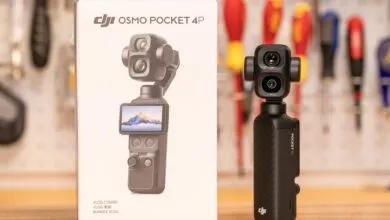
When the US government banned future foreign drones in December 2025, HoverAir’s Aqua model was among the first to get grounded. But parent company Zero Zero Robotics has a workaround for its latest release. The $750 Versa, it claims, is actually a DJI Pocket-style mini steadycam with optional snap-on propellers. Those propellers, sold separately as a “Flight Kit,” are what let it take to the air.
“We believe the Flight Kit is an accessory that extends VERSA’s capabilities. Therefore, HOVERAir is in full compliance with the applicable regulatory requirements for the full product configuration offered to US customers,” global marketing director Anita Facundo tells The Verge.
Publicly, the strategy appears to have worked. The FCC approved the HoverAir Versa on August 9th, according to public records, and the company launched the product on Indiegogo this week, telling backers it’s cleared for US sale.
But a closer read of the regulatory landscape suggests this fight is far from over. The loophole might be genuine, or the FCC could have been misled. A reversal is well within reach.
The December ban blocked the FCC from automatically approving radios in foreign-made drones. Each manufacturer now has to prove its aircraft is either built in America or poses no national security threat. The catch: the ban specifically names only two dronemakers for camera restrictions, DJI and Autel Robotics, under the 2025 National Defense Authorization Act.
HoverAir leaned into that distinction. When it filed paperwork with the FCC, it submitted only the camera portion of the Versa for certification. The company truthfully noted it hasn’t been banned from having cameras certified in the US. A private certification body, known as a Telecommunications Certification Body (TCB), signed off on that basis.
The propellers themselves may not need FCC approval at all. The agency only certifies devices containing wireless radios, and the propellers likely don’t have any. They connect to the camera through copper contacts, not radio waves.
Here’s where the loophole gets shaky. The FCC’s ban doesn’t just cover complete drones. It also covers “UAS critical components,” and the FCC has explicitly stated that cameras count as one of those components. The Versa’s camera contains many of the parts that make the drone fly, and because it has radios, it falls squarely under FCC jurisdiction.
The FCC outsourced its initial certification decision to a private company, but it has the authority to take a second look. If regulators determine the Versa is a critical drone component, they can use a little-known mechanism to reverse the certification quickly. That window remains open. The FCC can nix an approval within 30 days, and that period hasn’t expired for the Versa yet.
To HoverAir’s credit, the company did offer refunds when it became clear the Aqua wouldn’t ship to US customers. It’s also selling the Versa camera on its own, though only a dozen Indiegogo backers have chosen that option so far.
Personally, I’d love to test this flying camera. It looks genuinely fun. But until the FCC’s position is crystal clear, I wouldn’t put my own money down on a Versa. With drones, routers, robots, and Roombas all caught in the regulatory crossfire, these are unpredictable times for gadget buyers.
(Source: The Verge)