Robotaxi drivers find bizarre items left behind by passengers
▼ Summary
– Uber’s 2024 Lost and Found Index includes items from robotaxis for the first time, as enough autonomous vehicles are now on its platform to matter.
– Common forgotten items in robotaxis include phones, wallets, keys, and passports, similar to human-driven Ubers.
– Unusual items left behind include a bowling ball, Beanie Baby, dentures, cowboy hats, and designer goods from brands like Gucci and Chanel.
– The return process for robotaxi items involves contacting a US-based support agent, with Uber dispatching a courier for a $15 fee or offering depot pickup.
– Uber aims to expand robotaxi trips to 15 cities globally by end of 2025 and become the world’s largest robotaxi broker by 2029.
Uber has released its annual Lost and Found Index, and for the first time, the report includes items forgotten in robotaxis. The reason? The company now has enough self-driving vehicles on its platform to make the data meaningful. Among the strangest discoveries: a unicorn Beanie Baby, a 15-pound green bowling ball, and a set of dentures that were eventually returned to their owner.
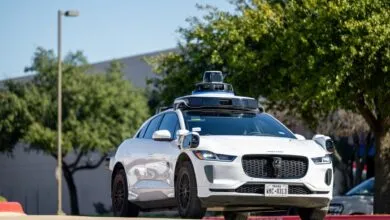
Uber does not operate its own fleet of driverless cars, but it has become a key partner for companies like Waymo (in Austin and Atlanta), Motional (Las Vegas), and Avride (Dallas). These robotaxis currently account for less than 1% of all Uber trips, yet that volume is sufficient to warrant a dedicated category in the company’s annual accounting of lost possessions.
The most commonly forgotten items remain predictable: phones. Uber reports that iPhones, flip phones, Androids, and Galaxys top the list, followed by wallets, keys, headphones, glasses, driver’s licenses, and passports. But the truly oddball items tell a more colorful story. Robotaxi passengers have left behind a jumbo yo-yo, a large black marble duck, a Squishmallow, a Charli XCX poster, a Smurf keychain, and a bag reading “I Heart Hot Dads.” Clothing items include cowboy hats, red Sonic the Hedgehog Crocs, a Terry Black’s trucker hat, a Harley-Davidson sweater, and a blue cap that says “Emotional Support Human.” Designer goods are also common, with wallets and purses from Yves Saint Laurent, Chanel, Coach, Louis Vuitton, Prada, Dior, and Hermès all making appearances. Someone even left behind a white Gucci blanket.
The process for recovering items from a robotaxi differs from that of a human-driven Uber. Customers who flag a lost item in the app can communicate with a US-based support agent, who collects the details. Once the item is located, Uber dispatches a courier to return it for a flat $15 fee. Alternatively, riders can pick up their belongings at the vehicle depot where robotaxis are charged and maintained. This system is managed through Uber’s newly created Autonomous Solutions program, which aims to standardize procedures across its self-driving fleet.
“With tens of millions of lost items reported on Uber each year, we’ve spent the last decade building systems that help riders quickly and seamlessly reunite with their belongings,” said Amy Satrom, global head of autonomous support at Uber, in a statement.
The scope of this operation will likely expand as robotaxis become more common on Uber’s platform. The company plans to facilitate autonomous vehicle trips in as many as 15 cities globally by the end of this year, with an even split between US and international markets. By 2029, Uber aims to become the largest robotaxi broker in the world.
The cars may be growing more advanced, but human nature remains unchanged. People will always leave things behind. Sometimes, however, the robotaxi itself is the problem. A San Jose resident recently reported that a Waymo drove off with his luggage after dropping him at the airport. The company located the bag but initially refused to cover the shipping costs to return it. Only after the man shared his story with local news did Waymo agree to pay.
(Source: The Verge)