Google: Pixel Phones Will Not Adopt Apple’s Liquid Glass Design
▼ Summary
– Google Android president Sameer Samat denied a social media mockup suggesting Android would adopt Apple’s Liquid Glass aesthetic, saying “Not happening! Y’all are wild.”
– The mockup was inspired by a teaser for The Android Show: I/O, which showed the Android mascot turning translucent, leading users to expect an iOS-like design.
– Google allows other smartphone makers like Oppo, Xiaomi, and Samsung to use Android, and some have already mimicked Apple’s Liquid Glass design elements.
– Apple introduced Liquid Glass in iOS 26 and other platforms, but the design is not universally popular among users.
– Google uses its own Material Design, updated to Material 3 Expressive in 2025, and rumors suggest Android 17 will add more blur for a frosted glass look, to be revealed May 12.
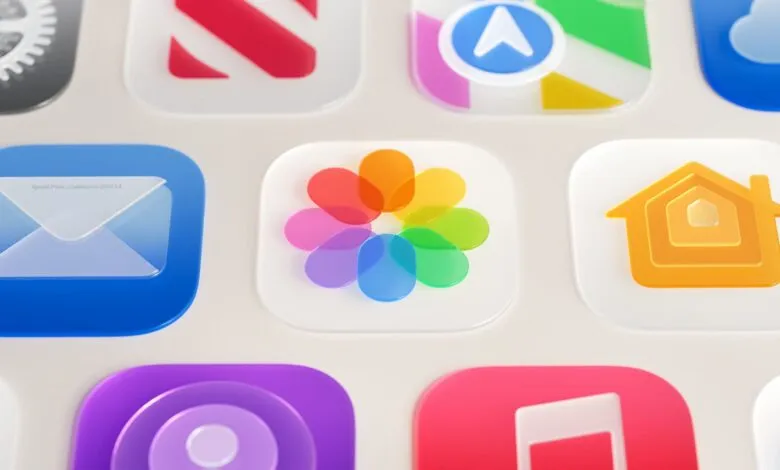
Google has no plans to bring a Liquid Glass aesthetic to Pixel devices, according to a definitive statement from Android president Sameer Samat. When confronted with a social media mockup showing an Android phone adopting the glossy, translucent interface style popularized by Apple, Samat responded bluntly: “Not happening! Y’all are wild.” The comment was reported by 9to5Google.
The speculation began after a teaser trailer for The Android Show: I/O featured the Android mascot pulling a light switch and becoming translucent. That visual cue prompted some users to wonder whether Google would shift toward a more iOS-like design language for its mobile operating system. Samat’s dismissal put those rumors to rest.
Google’s Pixel smartphones run on a pure version of Android, but the company also licenses the OS to other manufacturers. Brands such as Oppo and Xiaomi have already introduced custom Android skins that borrow heavily from Apple’s Liquid Glass look. Even Samsung has incorporated similar visual cues into its One UI interface. Google, however, is holding the line.
Apple first unveiled Liquid Glass as part of iOS 26, iPadOS 26, macOS 26, watchOS 26, and tvOS 26, aiming for a consistent visual identity across all its platforms. The redesign has been one of the most significant changes for Apple users in recent years, though it has not been universally praised.
Google has relied on its own Material Design framework since 2014, with several updates along the way. In 2025, the company introduced Material 3 Expressive, which added smoother, spring-like animations and dynamic color themes that adapt to user preferences.
Despite Samat’s rejection of a full Liquid Glass approach, rumors indicate that Google is not entirely abandoning translucency. Leaks suggest that Android 17 will introduce more blur effects and a flatter, frosted glass aesthetic, moving toward a softer visual texture without copying Apple’s glossy finish. Google is expected to share more details about Android 17 on May 12.
(Source: MacRumors)