FCC Official Offered to Help Target Disney, Records Show
▼ Summary
– FCC Chairman Brendan Carr threatened Disney with regulatory action over a Jimmy Kimmel monologue, prompting major affiliates to drop the broadcast and forcing a temporary suspension of the show.
– Lark Hadley, the FCC’s West Coast enforcement director, privately emailed Carr to offer support and assistance in the campaign against Disney, calling the broadcaster’s lack of accountability “sickening.”
– This action by a career enforcement chief is highly irregular and raises ethical concerns, as federal rules prohibit employees from participating in matters where their impartiality could be questioned.
– Hadley’s office holds direct enforcement authority over the ABC-owned stations in its jurisdiction, including the station that broadcasts Jimmy Kimmel Live!
– Legal experts criticized the behavior, stating public servants should not cheer on regulatory threats that coerce broadcasters and violate First Amendment principles.
A senior official at the Federal Communications Commission privately offered to assist the agency’s chairman in a campaign targeting the Walt Disney Company, according to internal emails. The correspondence reveals a concerning alignment between a career enforcement official and a politically charged regulatory threat, raising significant questions about impartiality and the appropriate use of government authority.
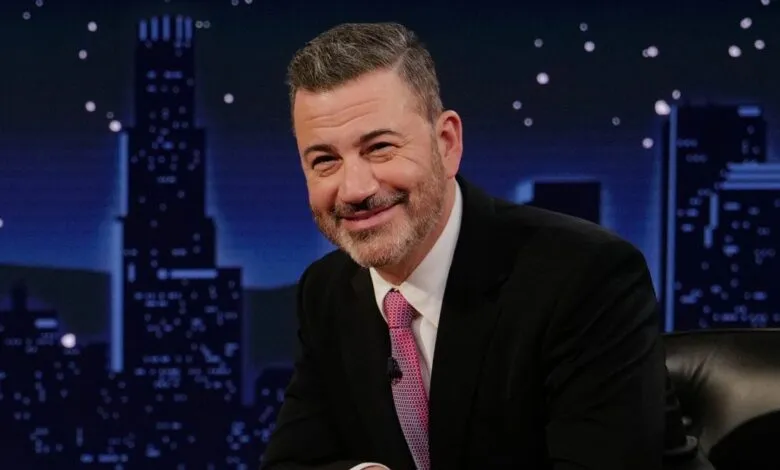
On September 17, FCC Chairman Brendan Carr publicly threatened Disney with regulatory action over a monologue on Jimmy Kimmel Live! concerning commentator Charlie Kirk. This prompted several major station affiliates to drop the broadcast, leading ABC to temporarily suspend the show. Later that same day, Lark Hadley, the FCC’s West Coast enforcement director, sent an email to Carr and the FCC chief of staff titled “personal note of support re Charlie Kirk ABC/Disney issue.” In the message, Hadley quoted Carr’s remarks from a conservative podcast, where the chairman stated, “This is a very, serious issue right now for Disney. We can do this the easy way or the hard way.”
Hadley, noting his own background in broadcasting, wrote that the “absolute lack of accountability has always confused (and sickened) me.” He directly told Carr and his aide, “Please, do not let up, and let me know if I can help in any way.” This pledge of assistance from a senior enforcement official overseeing the very stations in question is highly irregular. Federal ethics standards explicitly prohibit government employees from engaging in matters where their objectivity could reasonably be doubted.
While the FCC’s headquarters typically manages television content complaints, Hadley’s office wields direct enforcement authority over physical ABC-owned stations within its jurisdiction. This includes KABC-TV in Glendale, California, which is the broadcast origin point for Jimmy Kimmel Live!. The incident became a stark demonstration of Carr’s willingness to use the FCC’s regulatory power against political critics. Following his public statements, major affiliate networks Nexstar and Sinclair,both of which had multi-billion dollar merger proposals pending before the commission,declined to air the program, applying pressure that resulted in the show’s brief suspension.
Legal experts express deep concern over the implications of such conduct. Will Creeley, legal director at the Foundation for Individual Rights and Expression, emphasized that regional directors have no business endorsing a chairman’s regulatory threats against broadcasters. “Just like Brendan Carr, they swore an oath to uphold the Constitution,and that includes the First Amendment, which bars the government from coercing private broadcasters into censoring dissent,” Creeley stated. “This is a public servant paid by our taxpayer dollars. Is it too much to ask for him not to sound so excited about the chairman abusing the power of his office?”
The FCC chairman’s office did not respond to a request for comment on the email exchange. An ABC spokesperson also did not immediately provide a statement. The episode underscores the potential for regulatory agencies to be weaponized for political purposes, challenging foundational principles of governmental neutrality and free speech protections.
(Source: Wired)