Google Search Now Features “Read More” Links in Results
▼ Summary
– Google has introduced “read more” links within search result snippets that anchor users to a specific section of the linked webpage.
– This feature is now widely rolled out after being tested in July, though it does not appear on every search result.
– The “read more” link adds an additional, eye-catching element to the search result snippet displayed by Google.
– The primary goal of this feature is to encourage more user clicks from search results to the actual websites.
– Increased website traffic is seen as a positive outcome, and there is hope that Google will keep this feature active.
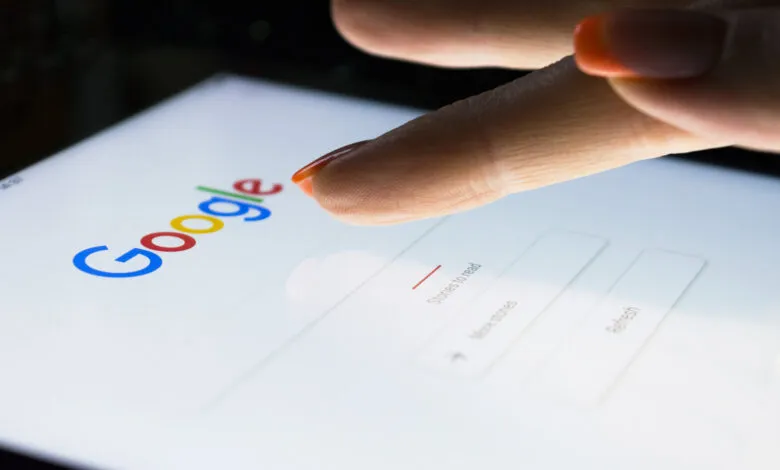
Google has introduced a new feature within its search results, placing “read more” links directly at the end of many text snippets. This update aims to improve user experience by allowing people to jump immediately to the most relevant section of a webpage, rather than landing at the top and having to scroll. The link anchors the user to a specific portion of the content that directly answers their query, making information discovery faster and more efficient.
These interactive links are not yet present on every search listing, but they are appearing for a wide range of queries. The feature represents a subtle yet significant shift in how search results function, moving beyond static previews to offer a more dynamic gateway to website content. Observers first noted Google testing similar functionality earlier this year, and the broad rollout indicates the company is satisfied with its performance.
From a digital marketing perspective, this development holds considerable importance. The “read more” link introduces an additional, prominent clickable element within the search listing itself. This visual cue can potentially draw more attention and encourage higher click-through rates from the search results page. For website owners and SEO professionals, the feature underscores the continued value of creating well-structured, clearly organized content. Pages with distinct headings and logical sections are more likely to benefit from these deep links, as Google’s systems can better identify and anchor to specific answers.
Ultimately, the goal is to drive more qualified traffic to websites by seamlessly connecting users with the precise information they seek. If this enhancement proves successful for both searchers and publishers, it will likely become a permanent fixture in Google’s evolving search interface.
(Source: Search Engine Land)