We tried Google’s AI glasses – they’re almost ready
▼ Summary
– Google’s Android XR glasses, developed with Warby Parker, Gentle Monster, and Samsung, feature an in-lens display overlaying information like weather, directions, and live translation.
– The prototype glasses tested were polished for external testing but lacked cosmetic details and features like head detection, focusing instead on display technology and battery life.
– Activating Gemini with a two-second press starts the camera (configurable in shipping versions), and music playback is possible but not as high-quality as dedicated earbuds.
– The glasses offer real-time language translation via Google Translate, displaying text on the lens while speaking audio, and provide turn-by-turn navigation through Google Maps.
– The display version is not yet ready for release, while the audio-only glasses (shipping this fall) provide Gemini access for music, photos, calls, and app integration without a visual display.
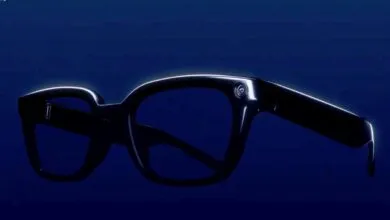
At Google I/O this week, we got a hands-on look at the company’s next-generation AI-powered glasses , not the audio-only model set to launch this fall, but the version that combines both audio and visual capabilities. These Android XR glasses, first teased at last year’s event, feature an in-lens display that projects useful information directly into your field of view, overlaying the real world. This includes widgets for weather, walking directions, Uber pickup details, live translation, and even custom widgets you can design using AI.
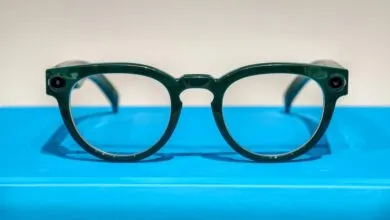
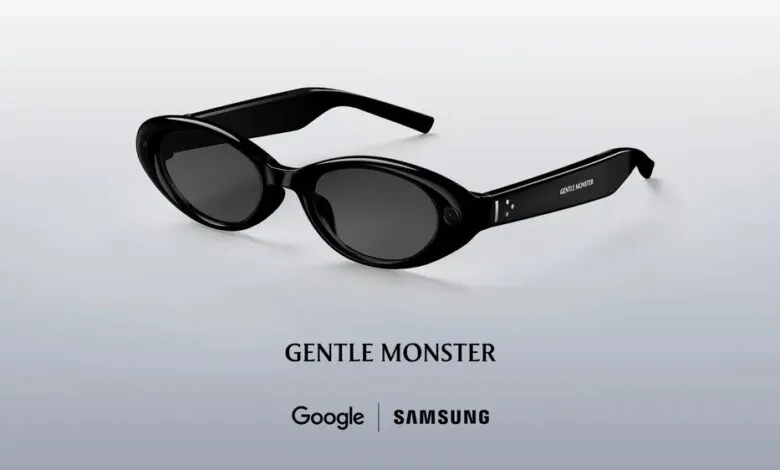
The glasses will be compatible with both iOS and Android phones, whether in the audio-only format or the future display version. The display-equipped eyewear represents a step forward from the first-generation audio glasses arriving later this year, developed in partnership with Warby Parker, Gentle Monster, and Samsung to blend Google’s technology with their design aesthetics.
The prototype we tested was still a work in progress, though polished enough for external testing. According to the reps demonstrating the XR glasses, this version allowed Google to set aside cosmetic concerns like different styles and shapes, focusing instead on experimenting with display technology and its impact on battery life. As a result, these spectacles differ significantly from any future shipping version in terms of fit, shape, dimensions, and attention to detail. Think of it as testing the “insides” of the glasses within a basic, comfortable frame.
One notable difference: the shipping version will detect when the glasses are placed on or removed from your head, but the prototype lacked this feature.
To activate Gemini, you press and hold the right side of the frame for two seconds. A startup chime signals that Gemini is listening. In this demo, starting Gemini also launched the camera, but the final version will let you configure whether the camera turns on automatically.
We started by asking Gemini to play music from a favorite artist. The noisy venue made it hard to judge sound quality , even at maximum volume, the music was difficult to hear crisply. While these glasses won’t replace high-quality earbuds, they could be handy for outdoor activities like walking, hiking, or chores. The benefit of not wearing earbuds is that you can hear someone speaking more naturally, unlike the transparency mode on devices like Apple’s AirPods. To stop the music, simply tap the middle of the frame near your temple.
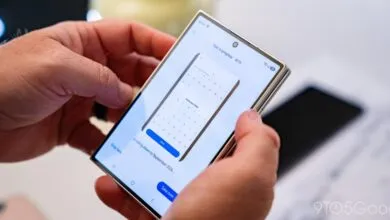
Next, we pressed the photo capture button to take a picture of someone. The display was off, so the image transferred to our phone and watch. (Video capture, activated by a long press, wasn’t available in this prototype, but it will show a video thumbnail preview instead of a photo.) You can also ask Gemini to take a photo without pressing the button and then perform AI manipulations. For example, saying “Take a photo and turn the person into an anime character” sends the image to your phone, then to Gemini and Nano Banana servers, returning the edited version. At the busy Google I/O venue, this round-trip took about 45 seconds.
With the display enabled, a simple home screen appeared in our field of view. The demo included preloaded widgets for weather and a countdown to Google I/O. You could also set up quick launchers for apps like Google Maps or Translate. The prototype had a single display over the right eye, but the platform supports both single and dual displays, plus audio-only glasses. The image was slightly fuzzy, which we attributed to our prescription contacts , one lens optimized for distance, the other for near vision. Closing one eye improved focus, but the experience quickly caused eye strain above the right eye, and it was unclear if our prescription was entirely responsible.
One standout demo was language translation, powered by Google Translate on the phone. A demonstrator spoke rapid Spanish, and the glasses automatically detected the language, displayed English text on the lens, and had Gemini speak English in our ear. World travelers might buy these glasses for this feature alone. Notably, Translate will work on the audio-only glasses too, though without the text display; you’d see the transcription on your phone if needed.
Another demo focused on navigation. While we couldn’t leave the venue to test accuracy, we saw how it works. Asking Gemini to navigate to a destination , even a vague one like “the nearest coffee shop” , activates Google Maps on your phone. After a brief load, the glasses display turn-by-turn directions. Looking forward shows your next turn; looking down reveals your blue dot on a map. Turning left or right rotates the map, just like on your phone. When you look up, the map disappears, letting you walk without obstruction. Saved destinations like “home” and “work” are already available.
We also used the glasses to identify objects and ask questions. They initially struggled with a replica of a Monet painting because the camera wasn’t automatically enabled , it had to be turned on from the app. After a few questions and moving closer to see the Monet signature, Gemini correctly identified it. Other tests went smoother, like identifying a plant on a shelf and answering questions about recipes in a book. These tasks are possible with Google Lens or other AI apps, but doing them hands-free adds convenience.
Google plans to share more about its Android XR display glasses later this year, when it expands its trusted tester program. For now, the company believes audio will meet many users’ needs , a smart way to address the fact that its display glasses aren’t ready yet, despite competition from Meta and Snap.
Like the display version, the audio glasses offer access to Gemini AI through private frame speakers. You can listen to music, take photos with a button press, make calls, or tap into phone apps. While we didn’t test third-party app integration, the glasses will allow commands like “take the ingredients from this recipe and add them to my shopping list.” In a keynote demo, the glasses even identified a meal cooking on the stove and offered feedback, such as whether the meat was fully done.
(Source: TechCrunch)