Starship Delayed, German Firm May Boost Canada’s Launch Plans
▼ Summary
– SpaceX’s Starship launch attempt on Thursday was delayed by a ground system issue, with a new attempt possible as soon as Friday evening.
– The stakes for the launch are high for both SpaceX and the broader US spaceflight industry.
– Firefly Aerospace expanded its Central Texas footprint with a new headquarters, cleanroom space, and innovation lab.
– The expansion adds two buildings to Firefly’s Cedar Park campus, totaling 144,000 square feet for spacecraft assembly, testing, and operations.
– The Rocket Report includes information on small-, medium-, and heavy-lift rockets and a look ahead at upcoming launches.
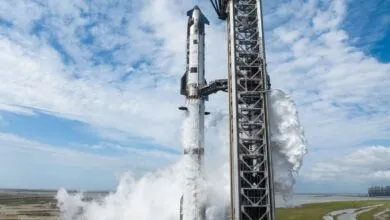
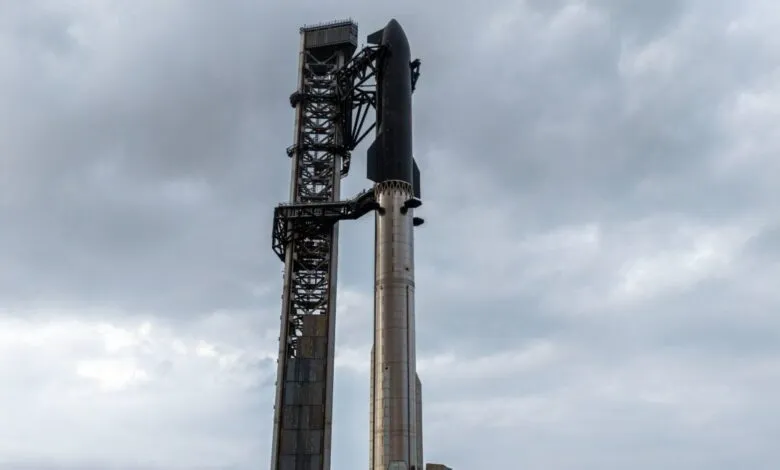
Welcome to Edition 8.42 of the Rocket Report. SpaceX came close to launching its massive Starship rocket on Thursday in South Texas, generating significant excitement, but a ground system issue forced a last-minute delay. With both the vehicle and ground infrastructure featuring almost entirely new hardware, such setbacks are hardly surprising. The company is now targeting Friday evening for another attempt, and as we explore in this edition, the outcome carries enormous weight for SpaceX and the broader US spaceflight sector.
We always appreciate reader input, so feel free to share your launch stories. And if you want to receive each issue directly, use the subscription box below (it won’t appear on AMP versions of the site). Every report covers small-, medium-, and heavy-lift rockets, plus a preview of the next three launches on the schedule.
Firefly expands Central Texas footprint. On Tuesday, Firefly Aerospace announced it has moved into a new headquarters, expanded its cleanroom facilities, and opened an innovation lab. These upgrades are designed to support a growing workforce and speed up spacecraft production. The expansion includes two new buildings adjacent to Firefly’s existing spacecraft facility in Cedar Park, Texas. The result is a single campus with 144,000 total square feet dedicated to spacecraft assembly and testing, mission control, avionics and component manufacturing, engineering, and business operations.
(Source: Ars Technica)