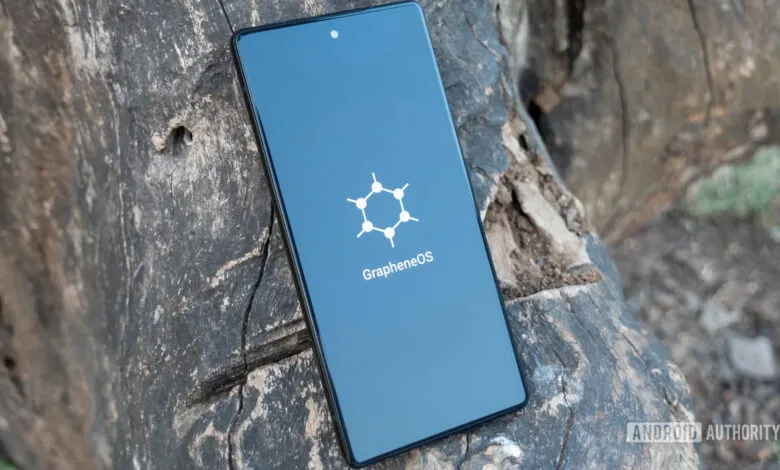
GrapheneOS claims Google stifles rival operating systems
▼ Summary
– GrapheneOS claims Google and Apple are using device verification systems to lock users into their own hardware and software, making it harder to use alternative operating systems.
– Tools like Google’s Play Integrity API, Apple’s App Attest, and reCAPTCHA are presented as security features but strengthen corporate control over apps and web access.
– Google’s Play Integrity API blocks devices running GrapheneOS, even though the OS is more secure, according to the platform.
– reCAPTCHA requires users to verify with a certified Android or iOS device, potentially affecting desktop users on Windows or Linux.
– Governments and banks are adopting these verification systems for payments and digital IDs, which GrapheneOS says locks out competition instead of stopping anti-competitive behavior.
Privacy-focused mobile operating system GrapheneOS has publicly accused Google and Apple of using device verification tools to systematically lock users into their respective ecosystems. In a detailed thread on X, the platform argued that what these tech giants present as security features are actually mechanisms to stifle competition and limit user choice.
At the heart of the complaint are systems like Google’s Play Integrity API, Apple’s App Attest, and Google’s reCAPTCHA. GrapheneOS contends that these tools are increasingly being adopted by apps and websites to verify whether a device is running approved, certified software before granting access. While marketed as safeguards against tampering or fraud, the project claims their real effect is to block alternative operating systems and non-approved hardware from functioning properly.
“Over the long term, this will increasingly lock out hardware and OS competition,” GrapheneOS warned in its thread.
The project specifically called out Google’s Play Integrity API, which is widely used by banking and payment apps to detect rooted devices or custom ROMs. According to GrapheneOS, this system also bans its own OS, even though the platform is designed with stronger security measures than standard Android builds. “Google’s Play Integrity API bans using GrapheneOS despite it being far more secure than anything they permit,” the post stated.
GrapheneOS further argued that these verification systems are not about security at all. “The purpose of these systems is disallowing people from using hardware and software not approved by Apple or Google,” the platform wrote. “This is wrongly presented as being a security feature.”
The thread also raised concerns about reCAPTCHA, Google’s widely used bot-detection system. GrapheneOS noted that reCAPTCHA increasingly requires users to verify themselves through a certified Android or iOS device, sometimes by scanning a QR code with a phone. The platform warned that this could eventually block users on desktop platforms like Windows or Linux from accessing large portions of the web.
“Control over reCAPTCHA puts Google in a position where they can require having either iOS or a certified Android device to use an enormous amount of the web,” GrapheneOS wrote.
The project also highlighted that governments and financial institutions are adopting these verification systems for digital ID, payments, and age verification. Instead of curbing anti-competitive behavior, GrapheneOS argued, these authorities are actively participating in locking out competition.
Neither Google nor Apple has publicly responded to the allegations at this time.
(Source: Android Authority)