Apple’s Find My App – Addictable !
▼ Summary
– The article presents the Find My app as an emerging and popular form of social media, especially among younger generations who are moving away from traditional platforms.
– It illustrates how location sharing is used for social coordination, like checking if friends are home or deciding which bar to visit based on where others are.
– The app’s simplicity, with no ads or gamification, is highlighted as a refreshing contrast to the “enshittified” and artificial nature of mainstream social media.
– The piece details significant social and emotional impacts, such as using location data to infer relationship status changes or inadvertently revealing social exclusion and loneliness.
– It raises concerns about privacy, the challenge of keeping secrets, and potential safety risks from this normalized access to real-time personal location data.
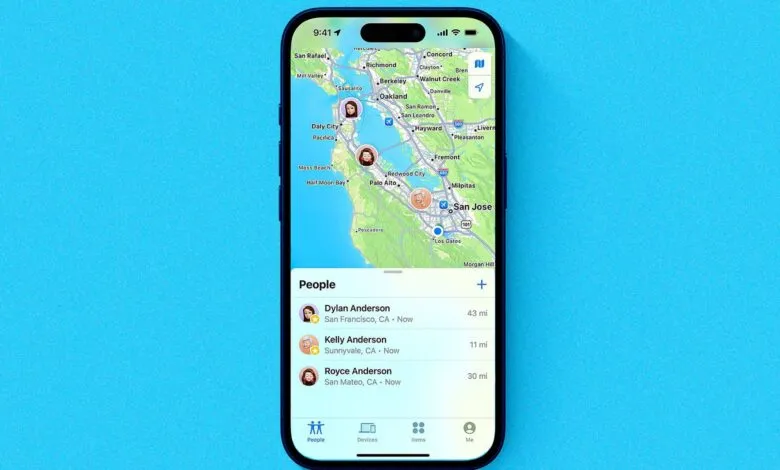
The simple utility of Apple’s Find My app has quietly evolved into a central pillar of modern social connection, particularly for younger users who have grown weary of traditional social platforms. What began as a tool for locating a lost iPhone has become a nuanced, real-time social network, reshaping how friends interact, coordinate, and even perceive their relationships.
A friend recently shared a telling story over drinks. Her close friends, a couple everyone saw as inseparable, were constant blue dots on her Find My map, their shared movements painting a picture of domestic routine. Then, one evening, both dots vanished simultaneously. This digital silence preceded the couple’s eventual, quiet confession that they were taking a break, choosing to hide their split from the social map before addressing it in real life. This isn’t an isolated case. Another person continued sharing locations with an ex to avoid awkward public encounters, while a friend virtually introduced two acquaintances after spotting their dots in the same bar, despite being a hundred miles away.
This shift reflects a broader trend. Younger generations are increasingly turning away from the bloated, ad-saturated feeds of legacy social media, finding a more authentic sense of connection in the minimalist, location-based grid of Find My. It answers a fundamental, tangible question: “Where are you?” In an online world saturated with curated aesthetics and algorithmic “slop,” the unvarnished truth of a location dot holds a unique appeal. For someone who recently moved across an ocean, watching friends’ dots populate a map of North America creates a comforting, silent tether across time zones, a connection more considerate than a late-night text.
Adoption is widespread. Informal polls show users commonly share locations with between 10 to 30 contacts. A broader survey indicates nearly 40% of U.S. adults share their location with someone, a number likely understated as features on apps like Snapchat, Strava, and Instagram normalize the practice. For users like Rishi, 22, checking the app is as habitual as scrolling Instagram. It informs daily logistics, like seeing if roommates are home, but also curates social life. In college, he and his friends would literally pool their phones to see which of two popular bars had a greater concentration of their friends’ dots, using the app to strategically “curate” their night out.
This rise coincides with a widespread disillusionment with traditional social platforms, which many feel have become “enshittified”, overrun with ads, alienating algorithms, and inauthentic engagement tactics. In stark contrast, Find My is refreshingly bare-bones. It has no ads, no paywalls, and no gamified feeds. Its value is purely functional and social, built on mutual consent and answering a basic human curiosity about our loved ones’ whereabouts.
Yet, this intimacy carries profound social weight and potential pitfalls. The etiquette can feel burdensome; not sharing your location after receiving someone else’s can seem rude. The technology makes secrecy remarkably difficult, transforming personal privacy into a collective negotiation. The story of the secretly separated couple highlights how these apps hold incredibly personal information, always at our fingertips. This access can foster unwanted surveillance, from the overeager acquaintance to the potential for stalking hidden among dozens of “location mutuals.” A lost or stolen phone could suddenly expose an entire network.
The emotional impact is equally complex. The app can visually reinforce feelings of rejection or isolation, watching roommates’ dots gather for a dinner you weren’t invited to, or looking up friends when lonely only to see them alone at home, a silent mirror of your own state. We all seek connection and intimacy. Location sharing delivers a powerful, double-edged form of it, offering a sense of closeness while simultaneously, and sometimes painfully, mapping the exact distances between us, both physical and emotional.
(Source: Slate)