Private Firm to Test Space Weapon in Self-Funded Demo
▼ Summary
– Defense contractors are competing for contracts in the potentially trillion-dollar Golden Dome missile shield program proposed by the Trump administration.
– Companies claim they already possess the necessary technologies but face the challenge of integrating them into a sophisticated command and control network.
– A key component is a fleet of space-based interceptors in orbit, similar to the controversial “Star Wars” program from the Reagan era.
– The Pentagon is using an unusual procurement strategy requiring contractors to fund their own development of space-based interceptors in hopes of winning future contracts.
– Apex, a Los Angeles-based startup, is positioning for a contract by focusing on rapid, cost-effective satellite manufacturing and has secured significant funding and a Space Force contract.
Defense contractors are aggressively competing for a share of the massive potential market linked to the proposed Golden Dome missile shield initiative. This ambitious program, which could represent a trillion-dollar investment, has prompted industry leaders to emphasize their capacity for rapidly scaling up the production of satellites, advanced sensors, and launch vehicles. Publicly, company executives unanimously support the Pentagon’s position that the foundational technologies for an effective homeland missile defense system already exist within the U.S. industrial base.
The primary obstacle, according to these firms, lies not in the individual components but in the integration process. The real test is creating a seamless and highly sophisticated command and control network. This network must enable sensors to reliably identify and track incoming missile threats, then instantaneously relay that critical data to defensive weapons systems capable of neutralizing them. General Chance Saltzman, the senior commander of the Space Force, often refers to Golden Dome as a “systems of systems,” underscoring its complex, interconnected nature.
One proposed element of this shield is generating particular attention due to its historical controversy. It mirrors the most debated aspect of the Strategic Defense Initiative, popularly known as the “Star Wars” program, which was announced by President Ronald Reagan but lost momentum after the Cold War concluded. This component involves a constellation of space-based interceptors.
The centerpiece of the Golden Dome strategy is envisioned as a fleet of these interceptors positioned in low Earth orbit. They would remain on standby, ready to engage and destroy hostile missiles during the initial phase of their flight. While Pentagon planners have not specified the exact number of interceptors needed to protect the United States from a coordinated missile attack, estimates suggest the final figure could reach into the thousands to ensure comprehensive coverage.
In a significant shift from standard procedure, the Defense Department recently issued a call for prototype proposals specifically for these space-based interceptors. The Space Force intends to enter into agreements with several companies, fostering a competitive environment where participants develop and demonstrate their systems with the goal of winning subsequent contracts. This unconventional procurement model requires contractors to invest their own capital into building and launching the interceptors into space, betting on their ability to secure a profitable production deal later.
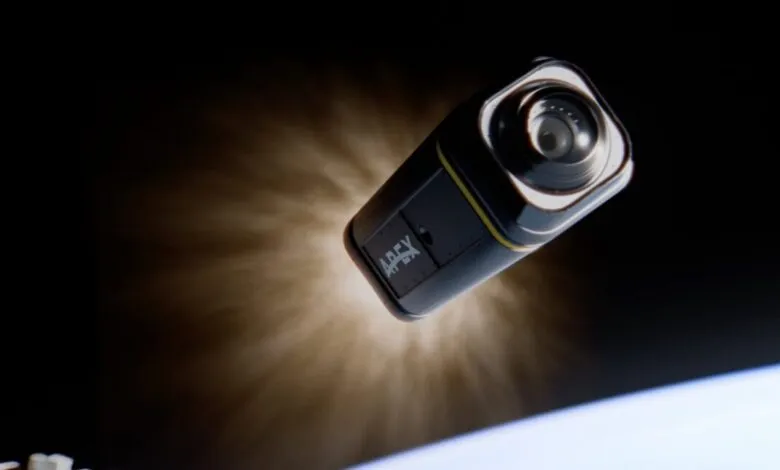
Apex, a Los Angeles-based startup, is among the firms positioning itself for this opportunity. The company is part of a new wave of American aerospace ventures focused on manufacturing satellites more quickly and cost-effectively than established industry giants. Apex’s business model centers on the high-volume production of satellite buses, the fundamental structural framework of a spacecraft, which are then customized with a client’s specific payloads. Since its founding, Apex has successfully secured over $500 million in investor funding and launched its inaugural satellite in 2024. Its credibility was further bolstered by a $46 million contract awarded by the Space Force in February, committing the company to supply an undisclosed quantity of satellites through the year 2032.
(Source: Ars Technica)