Ex-Destiny Boss: Not All Games Need Live-Service Models
▼ Summary
– Harold Ryan, former Bungie CEO, believes live-service games are not suitable for all titles, as consumers are signaling this through their spending habits.
– The live-service genre is struggling, with many high-profile games like Suicide Squad and Concord shutting down due to poor performance.
– A small number of live-service games dominate playtime, making it harder for others in the genre to succeed, though other factors also contribute.
– Ryan’s current company, ProbablyMonsters, supports game developers and recently revealed its first two games, Storm Lancers and Ire: A Prologue.
– Despite industry challenges, Ryan advocates for sustainable business models that balance player satisfaction and studio revenue, rather than focusing solely on live-service trends.
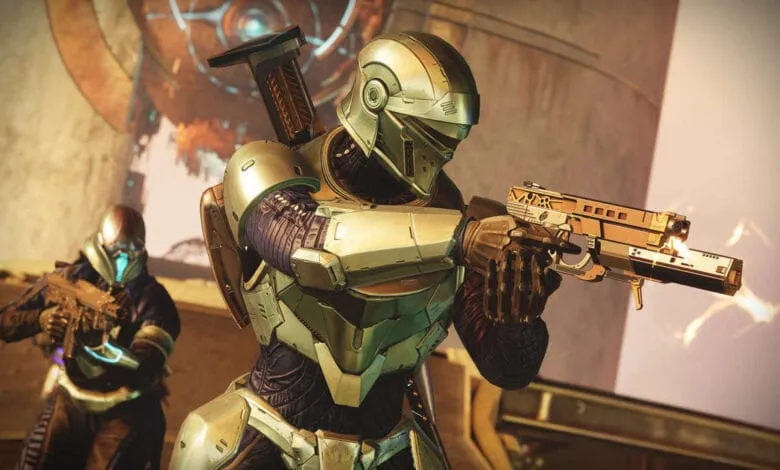
The gaming industry’s obsession with live-service models may be waning, according to former Bungie CEO Harold Ryan. Having pioneered the genre with franchises like Halo and Destiny, Ryan now observes a clear shift in player preferences, with many rejecting always-online experiences in favor of traditional single-player or shorter-form games.
Market trends suggest players are voting with their wallets, as several high-profile live-service titles, including Suicide Squad: Kill the Justice League and Concord, have underperformed or shut down entirely. Ryan notes that while some games thrive under this model, forcing live-service mechanics into every project ignores what audiences actually want.
Recent data supports this perspective, showing that a small handful of live-service titles dominate player engagement, leaving little room for competitors. Meanwhile, publishers like 2K are experimenting with mid-priced, narrative-driven games like Mafia: The Old Country, recognizing demand for experiences that don’t demand endless grinding or seasonal updates.
Since leaving Bungie in 2016, Ryan has focused on supporting developers through his company, ProbablyMonsters. The studio recently unveiled its first projects: Storm Lancers, a rogue-like for Nintendo Switch, and Ire: A Prologue, a psychological horror game for PC. Interestingly, ProbablyMonsters previously owned Firewalk Studios, the team behind Concord, before selling it to Sony, only for the game to be canceled months later.
Ryan hasn’t ruled out returning to live-service development entirely, but he emphasizes that choosing a business model shouldn’t dictate creative decisions. “Sustainable careers and a healthy industry require more than chasing trends,” he argues. His comments arrive as Bungie, now under Sony, faces layoffs and restructuring while developing Marathon, another live-service gamble.
Reflecting on industry turbulence, Ryan acknowledges that what worked in the past no longer guarantees success. “Studios need to find models that balance player satisfaction with financial viability,” he says. “Not every game needs to top the charts, but with the right approach, more developers can build stable, rewarding careers.”
As major publishers like Sony and Ubisoft double down on live-service despite setbacks, Ryan’s perspective offers a measured alternative: success comes from understanding players, not just monetization strategies. The challenge now is whether the industry will listen.
(Source: GAMESPOT)