Gov’t Employee’s Viral Photo Exposes Shocking Workplace Scene
▼ Summary
– The end of Windows 10 support is causing a massive disposal of functional computers, particularly in government and business sectors, as shown by a Reddit photo of pallets being discarded.
– This disposal represents a significant waste of taxpayer money and valuable materials, contributing to the growing global problem of electronic waste (e-waste).
– E-waste from discarded electronics is environmentally harmful, as it can release toxic materials and microplastics from plastics and other components into the environment.
– Microsoft’s extended security updates for Windows 10 only delay, rather than prevent, the eventual obsolescence and disposal of computers incompatible with Windows 11.
– Individuals should not simply trash obsolete electronics but can instead seek resale or proper recycling programs to mitigate e-waste, as global e-waste generation is immense and largely not recycled.
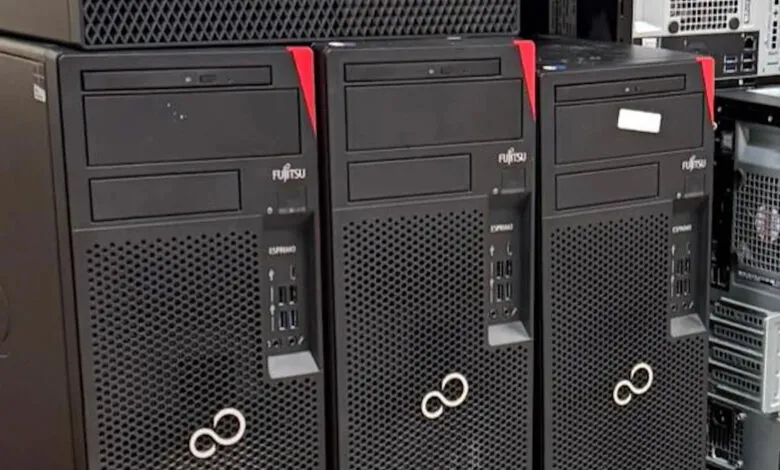
A recent viral image has sparked significant discussion about electronic waste and government spending, revealing a pallet stacked with seemingly functional computer towers destined for disposal. The reason? These machines run Windows 10, an operating system approaching its end-of-life, and cannot be upgraded to Windows 11. This single photo, shared by a government employee, exposes a widespread issue of planned obsolescence and its costly environmental and financial repercussions.
The original poster, identifying as a law student working at a government agency, provided the striking image. They noted the pallet was merely one of three loaded with computers being thrown out solely due to the Windows 10 sunset. Estimates suggest over 100 computers were part of this particular disposal event. The employee explained that strict rules prevented taking any equipment home, stating the risk to their future career was far too great, despite the obvious waste.
This situation raises serious concerns on multiple fronts. First, there is the substantial financial waste of taxpayer dollars used to purchase this now-discarded hardware. Second, and equally critical, is the generation of harmful electronic waste. These computers contain valuable materials that should be salvaged, alongside plastics and toxic components that can leach into soil and water when dumped in landfills. The United Nations reports that millions of tons of e-waste are generated annually, with only a fraction being properly recycled.
While Microsoft has extended some security updates, this action merely delays the inevitable for machines incompatible with Windows 11. The core problem of hardware incompatibility, leading to mass disposal, remains unaddressed. For individuals and organizations alike, the responsible path forward is clear: seek out recycling programs or resale options. Many components retain value and can be repurposed, keeping functional materials in circulation and out of the waste stream. As one observer noted, this government pallet is likely not an isolated incident but a symptom of a much larger, systemic issue in how we manage technology’s lifecycle.
(Source: Yahoo)