Stop hiring the wrong humans, Artisan’s founder advises
▼ Summary
– Artisan CEO Jaspar Carmichael-Jack discussed hiring mistakes that could have killed his startup, noting they hired over 100 people to retain 40.
– Overhiring early on made scaling harder; hires should only occur when the team has too much work, ensuring no downtime.
– Impressive résumés from big tech companies don’t guarantee startup success; experience and passion matter more than brand-name logos.
– Hiring someone too senior can cause chaos from lack of structure, while someone too junior may lack skills to scale their function.
– Being too slow to fire poor performers wasted weeks or months; Carmichael-Jack emphasized decisive action when someone isn’t a fit.
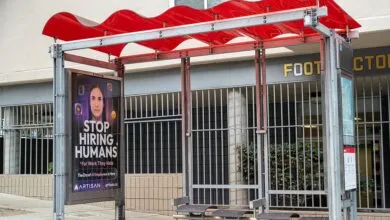
Artisan may have made waves with their provocative “Stop Hiring Humans” campaign, but the company’s founder knows that scaling a startup still depends on one critical truth: finding the right people. The fast-growing AI startup builds AI employees for sales outbound and customer engagement, yet its own journey has been shaped by human hiring missteps that nearly derailed the business before it could take off.
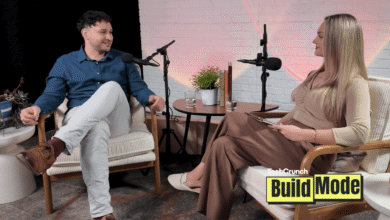
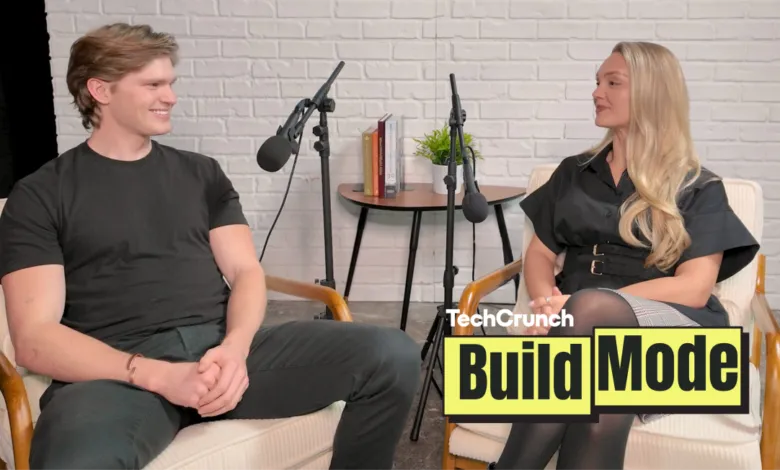
On this week’s Build Mode podcast, host Isabelle Johannessen sat down with Jaspar Carmichael-Jack, co-founder and CEO of Artisan, to unpack the early days of team building and the hiring mistakes that could have been fatal. As Carmichael-Jack explained, bad hires or poorly chosen roles create compounding damage. They waste precious time, erode team morale, and introduce an execution lag that can cripple a startup just as it begins to gain momentum.
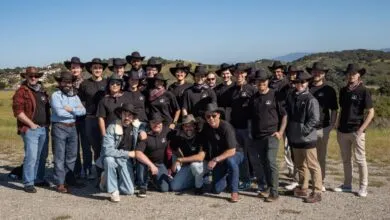
“I’ve made a lot of hiring mistakes , like, a lot within every single role,” Carmichael-Jack admitted. “We’ve probably hired over 100 people to have the 40 people that we have now.” Each misstep, however, became a lesson that the founding team could apply moving forward.
Overhiring proved to be a major pitfall. Keeping a team of 50 aligned and mission-focused is far harder than managing a team of 10. “I thought that we would scale faster if I hired all these roles and built this huge team, but it actually makes it more difficult to scale,” Carmichael-Jack said. For an early-stage startup, no one should have downtime. New hires should only come when the existing team is overwhelmed with work.
Another common trap: logo shopping. An impressive résumé featuring stints at tech giants doesn’t guarantee someone is ready for the chaos of a startup. The skills that make someone effective on a large, well-resourced team often don’t translate to a resource-constrained environment. What matters more is the candidate’s genuine experience and passion, not the big-name brands on their CV.
Hiring too senior or too junior also creates problems. A seasoned professional may struggle to operate without the structure they’re used to, while a junior hire may lack the skills needed to build and scale a function from scratch.
Perhaps the most costly mistake, however, was being too quick to hire and too slow to fire. The hiring process demands patience and thoroughness, even when a candidate seems impressive. But when someone isn’t working out, decisive action is essential. “Early on, we were way too slow. So we would sit on a decision for weeks or months and not really do anything and try and help them a bit, but not really, and just float around. And it never works out when you do that,” Carmichael-Jack said. “You can tell when someone’s not working out in a role, and usually they know as well.”
Carmichael-Jack’s early mistakes serve as a powerful reminder that hiring is not just an operational task , it’s a strategic one. The wrong hire doesn’t merely slow you down; it can reshape your culture, lower your standards, and make every future hire harder. The right hires, on the other hand, compound just as quickly.
In the end, even a company that builds AI employees learned the same lesson every founder eventually does: You can’t scale a company without humans , they just have to be the right ones.
(Source: TechCrunch)